


Close Menu
Daljoog News
    What's Hot
    French authorities are investigating after thieves steal Renoir paintings estimated at approximately nine million euros in total value from the Musee Renoir in Cagnes-sur-Mer, a coastal town in the Alpes-Maritimes region of southern France. The stolen works, created by renowned Impressionist painter Pierre-Auguste Renoir, represent a significant loss to the museum's collection, which is specifically dedicated to showcasing the artist's work and legacy at the historic property where he spent his final years. Investigators are working to determine how the thieves gained access to the museum and successfully removed the valuable artworks, with authorities examining security footage and physical evidence at the scene to establish a timeline and method used during the apparent theft. This incident adds to a concerning pattern of high profile art thefts affecting museums across Europe in recent years, with valuable artworks increasingly targeted by organized criminal networks that specialize in stealing and often attempting to sell stolen art through underground channels. Art theft experts note that stolen artworks of this caliber and recognition present significant challenges for criminals attempting to sell them, given their well documented provenance and distinctive appearance that makes legitimate resale through normal art market channels extremely difficult. Some stolen artworks eventually resurface years or even decades later, sometimes recovered through law enforcement investigations or occasionally offered back through intermediaries, though many high profile art thefts throughout history have never been fully resolved with recovered stolen items. French cultural heritage officials have expressed significant concern about this theft, given the museum's importance in preserving and showcasing Renoir's artistic legacy at a location with direct historical connection to the artist's life and creative work during his later years. International art crime databases will likely be updated with details about the stolen works, helping alert galleries, auction houses, and law enforcement agencies worldwide to watch for any attempts to sell or transport these specific paintings through legitimate or underground art market channels. Museum security experts note that this incident may prompt broader reviews of security measures at similar smaller, specialized museums that may have more limited security resources compared to major national institutions, despite housing artworks of comparable significant value and cultural importance. Insurance considerations will likely factor into the museum's response to this theft, with specialized art insurance policies typically covering significant losses, though such coverage does not replace the cultural and historical value lost when significant artworks are removed from public access and study. As this investigation continues, French authorities remain hopeful about eventually recovering the stolen paintings, though art theft cases of this nature often prove challenging to resolve quickly. The cultural loss extends beyond financial value, depriving the public of access to significant works from an influential artistic legacy.

    Thieves Steal Renoir Paintings Worth Millions

    September 9, 2026
    NATO And EU Chiefs Warn Russia Growing Reckless

    NATO And EU Chiefs Warn Russia Growing Reckless

    September 9, 2026
    Education Attack Day Highlights School Safety

    Education Attack Day Highlights School Safety

    September 9, 2026
    Facebook X (Twitter) Instagram
    Wednesday, September 9
    Daljoog News
    Facebook X (Twitter) YouTube Instagram
    • Home
    • General
    • World
    • Business
    • Technology
    • Politics
    • Finance
    • Health
    • Lifestyle
    • Sports
    • Travel
    Daljoog News
    Home»General»Western Military: Key Role in Global Security and Defense
    General

    Western Military: Key Role in Global Security and Defense

    Andrew RogersBy Andrew RogersJune 24, 2025No Comments4 Mins Read
    Facebook Twitter Pinterest LinkedIn Tumblr Email
    Follow Us
    Google News
    Western military
    Western military
    Share
    Facebook Twitter LinkedIn Pinterest Email

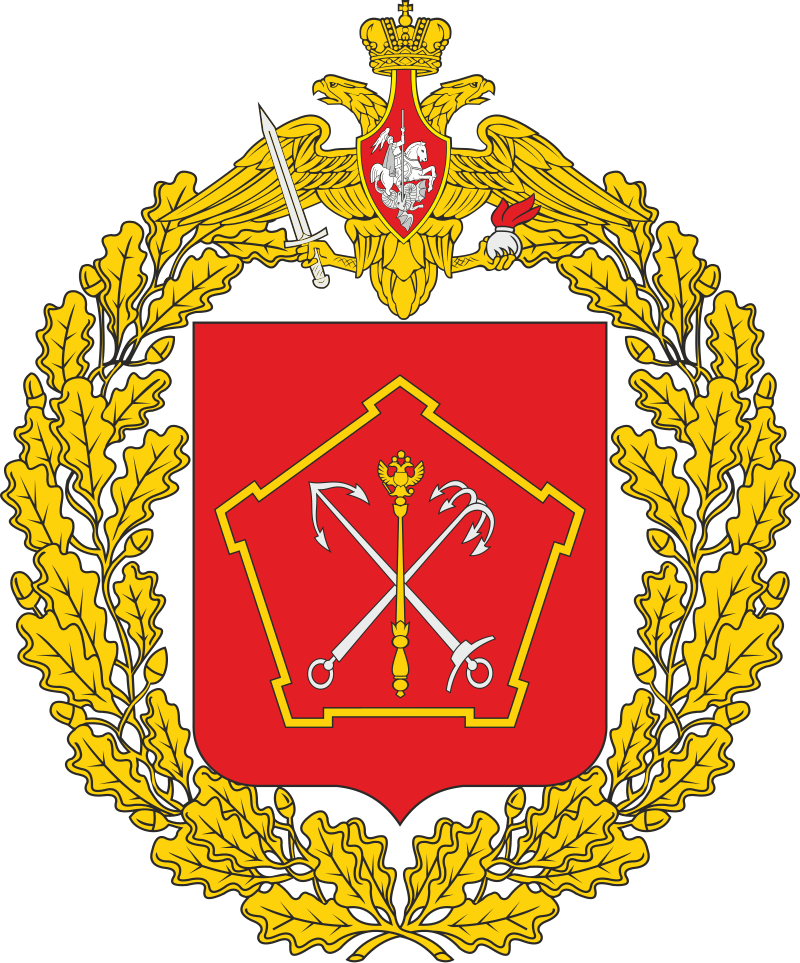
    Western military forces represent some of the most advanced and influential armed powers in the world today. Generally referring to the armed forces of countries in North America and Western Europe, the Western military is often associated with NATO member states and their close allies. These militaries are known for their technological superiority, professional training, and their role in maintaining global security and stability. The United States stands as the leading force within this group, boasting the largest military budget and the most sophisticated weaponry.

    Western military forces are distinguished by their use of cutting-edge technology, ranging from precision-guided bombs and stealth aircraft to advanced naval fleets and cyber defense systems. This technological edge allows them to carry out rapid and precise operations, often in coalition with allies. Most Western militaries rely on professional soldiers and voluntary service, ensuring well-trained and disciplined forces capable of undertaking complex missions around the globe.

    At the heart of the Western military alliance system is NATO, formed in 1949 as a collective defense pact. NATO unites the military capabilities of its member states, creating interoperability and a unified response to threats. Member countries, including the United States, United Kingdom, France, Germany, Italy, and Canada, coordinate their defense strategies and participate in joint training exercises to maintain readiness. This alliance has played a critical role in deterring aggression from rival powers and supporting peacekeeping and counterterrorism missions worldwide.

    The United States military leads the Western forces with its vast branches, including the Army, Navy, Air Force, Marine Corps, and the recently established Space Force. It possesses a wide range of capabilities, from nuclear deterrence to cyber warfare and space defense. European nations also contribute significant military strength. The United Kingdom and France maintain robust armed forces with nuclear arsenals and expeditionary capabilities. Germany, Italy, Spain, and others play important roles in both regional and global security efforts.

    Western militaries have been heavily involved in recent global conflicts. They have conducted prolonged campaigns in the Middle East, including Iraq, Afghanistan, and Syria, aiming to combat terrorism and stabilize fragile states. In Eastern Europe, NATO’s presence has increased in response to Russian military actions, underscoring the Western commitment to protecting its members and regional allies. Additionally, Western forces have expanded their strategic focus to the Indo-Pacific region to counterbalance rising powers and ensure freedom of navigation in international waters.

    Despite their strengths, Western militaries face several challenges. The high costs of maintaining advanced forces often draw criticism, especially when public funds might be needed for social programs. Military interventions have sometimes led to long and costly conflicts with complex outcomes. Within NATO, disagreements about burden-sharing and defense spending create tensions among member states. Ethical issues surrounding drone warfare and civilian casualties also provoke debate about the use of force and military tactics.

    Western military forces contrast sharply with the militaries of rival states such as Russia, China, and Iran. While Western doctrine emphasizes coalition-building, multilateralism, and precision operations, rival powers often pursue asymmetric warfare, cyberattacks, and aggressive territorial expansion. These differences contribute to ongoing global tensions and competition for influence in various regions.

    In recent years, Western militaries have increasingly focused on cyber defense and space capabilities as emerging frontiers of warfare. Protecting critical infrastructure from cyberattacks and maintaining satellite operations are seen as vital for national security. Coordination among NATO allies on these new domains continues to evolve, ensuring that Western military forces remain adaptive and prepared for future conflicts.

    Overall, the Western military remains a dominant force shaping international security. Its combination of advanced technology, professional personnel, and alliance cooperation gives it significant advantages. At the same time, the challenges it faces require continuous adaptation and careful management to maintain stability in an ever-changing world.


    Share. Facebook Twitter Pinterest LinkedIn Tumblr Email
    Andrew Rogers
    Andrew Rogers
    • Website
    • Facebook

    Andrew Rogers is a seasoned journalist and news analyst specializing in global affairs, politics, and finance. With a passion for investigative reporting, he delivers accurate, insightful stories that inform and engage readers worldwide.

    Related Posts

    Fog Triggers 59-Vehicle Crash, Shuts Highway 99 in Central Valley

    Fog Triggers 59-Vehicle Crash, Shuts Highway 99 in Central Valley

    February 1, 2026
    North Carolina Economy Booms but Income Lags

    North Carolina Economy Booms but Income Lags

    January 29, 2026
    Indiana Marriage Education Bill Passes First Hurdle

    Indiana Marriage Education Bill Passes First Hurdle

    January 25, 2026

    Comments are closed.

    Our Picks
    Fog Triggers 59-Vehicle Crash, Shuts Highway 99 in Central Valley

    Fog Triggers 59-Vehicle Crash, Shuts Highway 99 in Central Valley

    February 1, 2026
    North Carolina Economy Booms but Income Lags

    North Carolina Economy Booms but Income Lags

    January 29, 2026
    Indiana Marriage Education Bill Passes First Hurdle

    Indiana Marriage Education Bill Passes First Hurdle

    January 25, 2026
    Guatemala Declares State of Siege Over Gang Violence

    Guatemala Declares State of Siege Over Gang Violence

    January 20, 2026
    Stay In Touch
    • Facebook
    • Twitter
    • Instagram
    • YouTube
    Don't Miss
    Sudan civil war, foreign support, RSF

    Sudan civil war, foreign support, RSF

    Politics November 2, 2025

    Millions of innocent civilians have been killed in Sudan’s two-year-long armed conflict. Once close allies,…

    Kiara Advani and Sidharth Malhotra Shine with Subtle Romance

    Kiara Advani and Sidharth Malhotra Shine with Subtle Romance

    April 7, 2026
    Colorado Northern Lights May Glow Again Monday Night

    Colorado Northern Lights May Glow Again Monday Night

    January 20, 2026
    Serengeti National Park

    Serengeti National Park: Top Wildlife Destination in Africa

    June 30, 2025
    About Us

    Daljoog News is a trusted news platform that brings you the latest global and local updates with accuracy and fairness. We are committed to clear and unbiased reporting, covering topics like politics, business, technology, science, and culture and more. Using the latest technology and expert journalism, we provide reliable coverage of important stories. Stay informed, inspired, and empowered with Daljoog News—your source for breaking news, the latest updates, and videos that matter.

    Email Us: info@daljoognews.com

    Our Picks
    Canada Tariffs Raise Costs For Cross Border Firms

    Canada Tariffs Raise Costs For Cross Border Firms

    September 9, 2026
    Global Markets Steady Ahead Of Inflation Data

    Global Markets Steady Ahead Of Inflation Data

    September 8, 2026
    Diesel And Gasoline Futures Ease Slightly Today

    Diesel And Gasoline Futures Ease Slightly Today

    September 7, 2026
    Latest News
    French authorities are investigating after thieves steal Renoir paintings estimated at approximately nine million euros in total value from the Musee Renoir in Cagnes-sur-Mer, a coastal town in the Alpes-Maritimes region of southern France. The stolen works, created by renowned Impressionist painter Pierre-Auguste Renoir, represent a significant loss to the museum's collection, which is specifically dedicated to showcasing the artist's work and legacy at the historic property where he spent his final years. Investigators are working to determine how the thieves gained access to the museum and successfully removed the valuable artworks, with authorities examining security footage and physical evidence at the scene to establish a timeline and method used during the apparent theft. This incident adds to a concerning pattern of high profile art thefts affecting museums across Europe in recent years, with valuable artworks increasingly targeted by organized criminal networks that specialize in stealing and often attempting to sell stolen art through underground channels. Art theft experts note that stolen artworks of this caliber and recognition present significant challenges for criminals attempting to sell them, given their well documented provenance and distinctive appearance that makes legitimate resale through normal art market channels extremely difficult. Some stolen artworks eventually resurface years or even decades later, sometimes recovered through law enforcement investigations or occasionally offered back through intermediaries, though many high profile art thefts throughout history have never been fully resolved with recovered stolen items. French cultural heritage officials have expressed significant concern about this theft, given the museum's importance in preserving and showcasing Renoir's artistic legacy at a location with direct historical connection to the artist's life and creative work during his later years. International art crime databases will likely be updated with details about the stolen works, helping alert galleries, auction houses, and law enforcement agencies worldwide to watch for any attempts to sell or transport these specific paintings through legitimate or underground art market channels. Museum security experts note that this incident may prompt broader reviews of security measures at similar smaller, specialized museums that may have more limited security resources compared to major national institutions, despite housing artworks of comparable significant value and cultural importance. Insurance considerations will likely factor into the museum's response to this theft, with specialized art insurance policies typically covering significant losses, though such coverage does not replace the cultural and historical value lost when significant artworks are removed from public access and study. As this investigation continues, French authorities remain hopeful about eventually recovering the stolen paintings, though art theft cases of this nature often prove challenging to resolve quickly. The cultural loss extends beyond financial value, depriving the public of access to significant works from an influential artistic legacy.

    Thieves Steal Renoir Paintings Worth Millions

    September 9, 2026
    NATO And EU Chiefs Warn Russia Growing Reckless

    NATO And EU Chiefs Warn Russia Growing Reckless

    September 9, 2026
    Education Attack Day Highlights School Safety

    Education Attack Day Highlights School Safety

    September 9, 2026
    Facebook X (Twitter) RSS YouTube Instagram
    • Home
    • About Us
    • Contact Us
    • Our Authors
    • Privacy Policy
    • Terms & Conditions
    • Sitemap
    © 2026 DaljoogNews.com

    Type above and press Enter to search. Press Esc to cancel.