


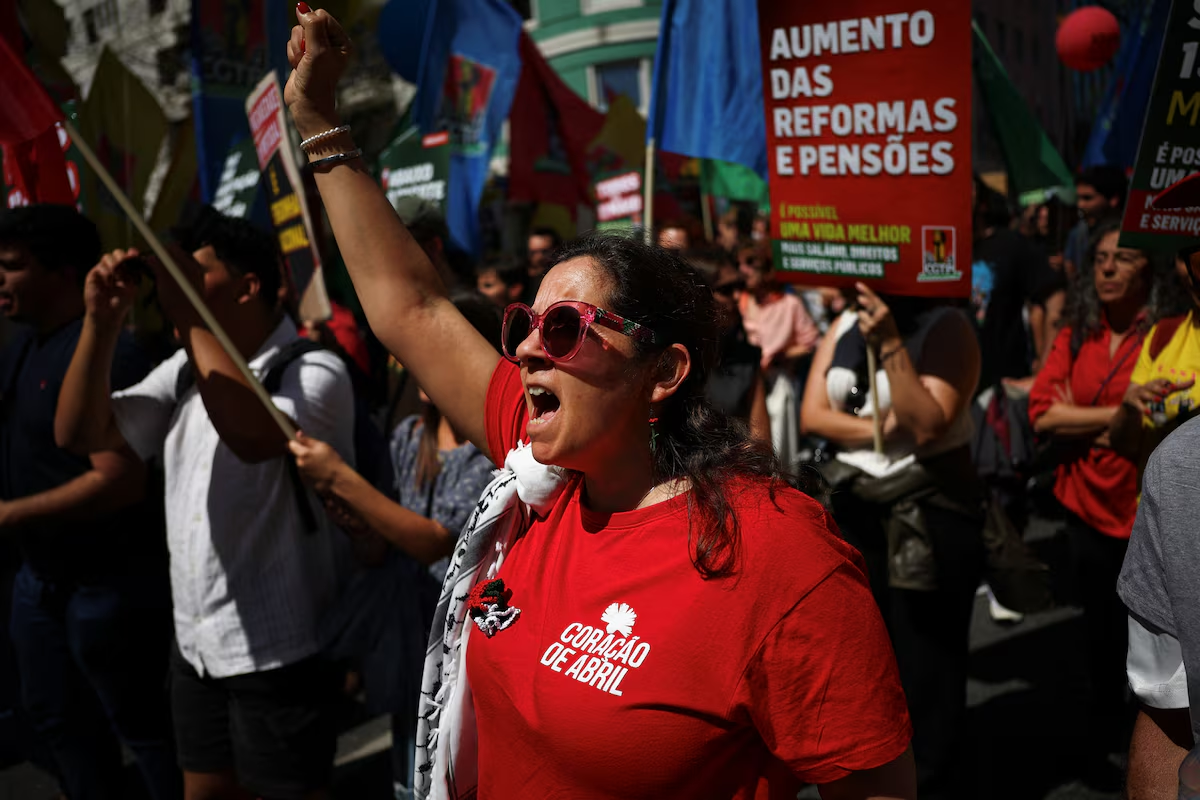
Portugal labor reform protest Lisbon saw thousands of people flood the streets of the capital on Friday, rejecting proposed changes to labor laws and demanding stronger protections for workers across all sectors.
According to Daljoog News analysis, the protest reflects growing public fear that the reforms could weaken job security, expand working hours, and reduce established labor rights in the country.
The demonstration is part of a broader wave of industrial action, signaling sustained resistance to the government’s labor reform agenda.
What Happened?
Portugal labor reform protest Lisbon unfolded in central Lisbon as workers, students, teachers, researchers, and healthcare professionals united against the government’s proposed labor law overhaul.
The protest was organized by the country’s main trade union federation, CGTP, which called for mass participation across sectors. The response was wide-ranging, with participants filling major streets carrying banners demanding higher minimum wages, universal healthcare access, and stronger labor protections.
Portugal labor reform protest Lisbon also saw strong participation from healthcare workers, including doctors and nurses. Their involvement added pressure on public services, with hospitals reporting strain in emergency departments due to staff shortages during the demonstration.
Several schools and public institutions faced disruptions or temporary closures as employees joined the strike action. Protesters argued that the proposed law would make layoffs easier, increase working hours, and weaken collective bargaining power.
Many demonstrators expressed concern that the reforms would significantly reduce worker protections and negatively affect both professional and family life.
Why This Matters
Portugal labor reform protest Lisbon highlights rising social tension over how governments balance economic reform with worker rights in Europe.
The proposed changes have become a national flashpoint, with critics warning they could shift too much power toward employers and undermine decades of labor protections.
The scale of participation across sectors shows that the issue is not limited to unions alone but reflects broader public anxiety about job stability and living conditions.
What Analysts or Officials Are Saying
Experts say Portugal labor reform protest Lisbon reflects a growing disconnect between government reform plans and public expectations.
Trade union leaders argue that while modernization of labor laws may be necessary, it should not come at the cost of worker security or social stability.
Government representatives have defended the reforms as essential for improving competitiveness and adapting to changing economic conditions.
Analysts also note that earlier revisions to the draft law were introduced after public backlash, but many workers still consider them insufficient.
Daljoog News Analysis
Portugal labor reform protest Lisbon shows how labor policy can quickly escalate into a broader political and social conflict when public trust is low.
The protest is driven not only by economic concerns but also by fears of long-term erosion of worker protections and social rights.
The participation of essential service workers such as healthcare and education professionals indicates deep concern about how reforms could affect critical public systems.
At the same time, the government faces pressure to reform labor markets to remain competitive within Europe, creating a complex policy dilemma.
Without stronger dialogue between authorities and unions, Portugal risks further strikes and prolonged industrial instability.
What Happens Next
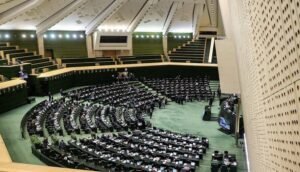
Portugal labor reform protest Lisbon is expected to influence upcoming parliamentary discussions on the proposed labor legislation.
Further negotiations between the government and trade unions are likely as pressure continues to mount from public demonstrations.
If no agreement is reached, additional strikes or larger nationwide protests could follow in the coming weeks.
The final direction will depend on whether policymakers choose deeper revisions or proceed despite ongoing resistance from workers.