


Russia Ukraine war intensifies after Russia launched more than 300 drones and missiles in a coordinated wave of attacks across several Ukrainian regions, marking one of the latest escalations in the ongoing conflict.
According to Daljoog News analysis, the renewed intensity reflects a shifting phase of the war where sustained aerial strikes and evolving foreign alliances are increasingly shaping battlefield outcomes rather than ground advances alone.
The escalation comes at a critical moment as Ukraine expands its defense cooperation with Germany, while concerns deepen over the country’s limited air defense capacity amid continuous Russian pressure.
WHAT HAPPENED?
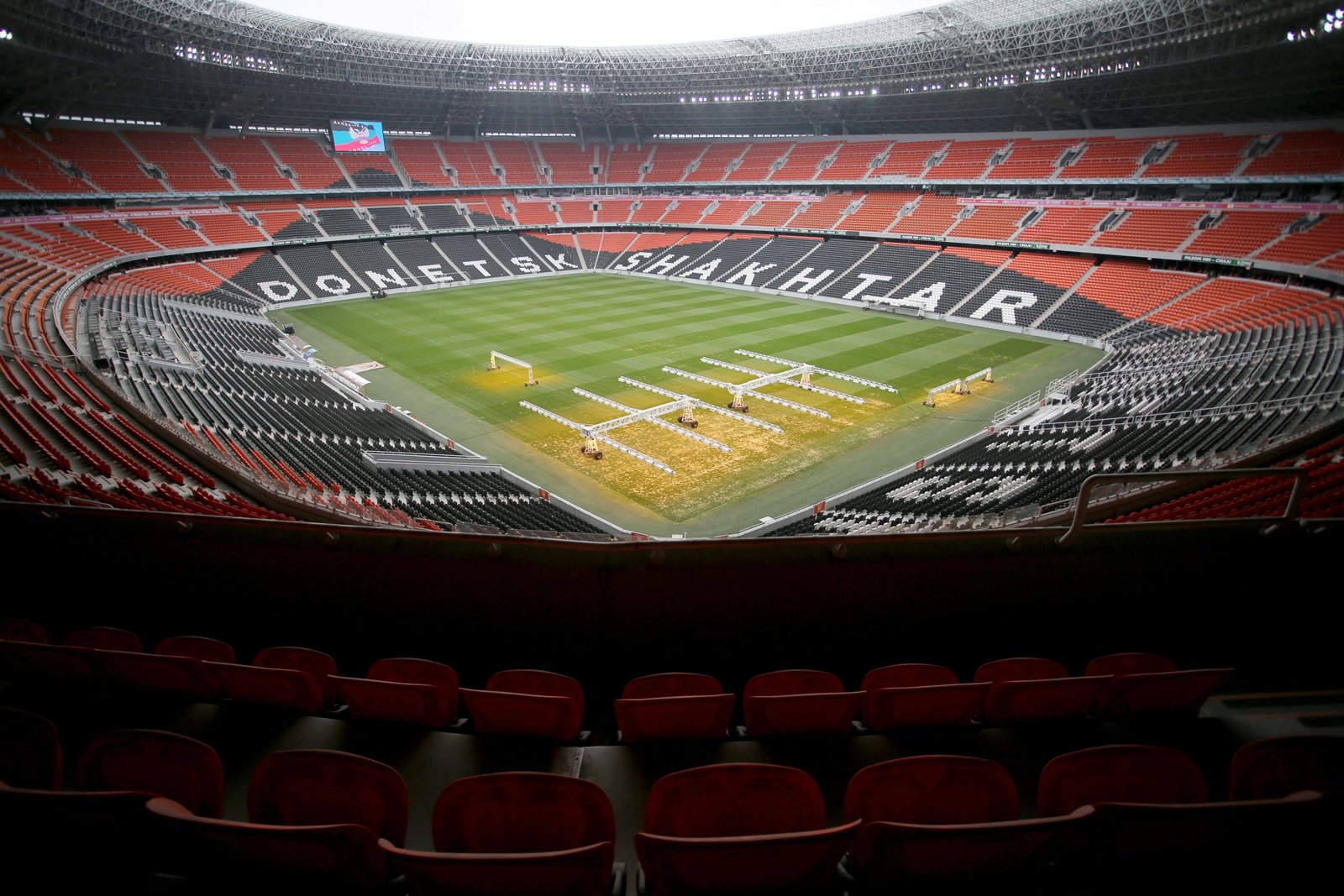
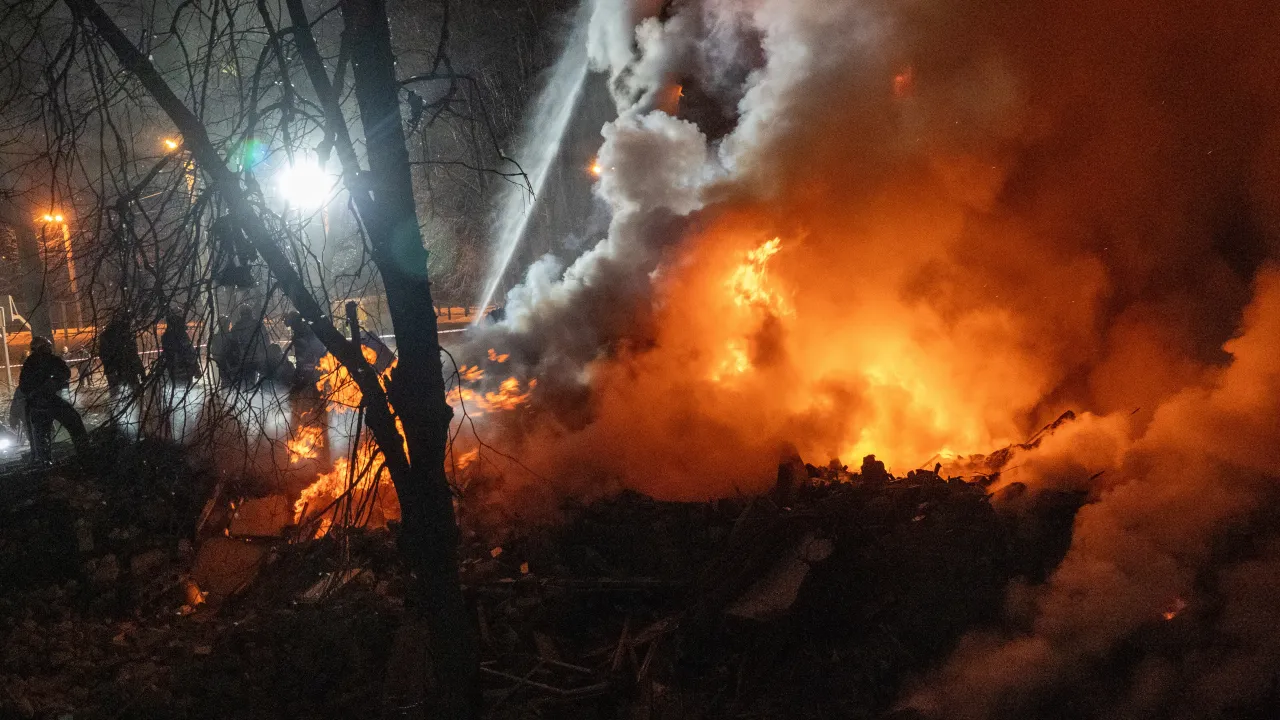
Russia Ukraine war intensifies as Ukrainian authorities reported widespread strikes targeting multiple cities, including Kharkiv, Donetsk, and Zaporizhzhia. The attacks involved a large combination of drones and ballistic missiles, causing casualties and damage to infrastructure.
President Volodymyr Zelenskyy confirmed that Ukraine’s air defense systems are under severe strain, stating that current interception capabilities are not sufficient to stop repeated large-scale aerial assaults.
The escalation followed shortly after Ukraine signed a strategic defense agreement with Germany. The deal includes cooperation on drone production and plans to strengthen Ukraine’s air defense systems through Western procurement channels.
WHY THIS MATTERS
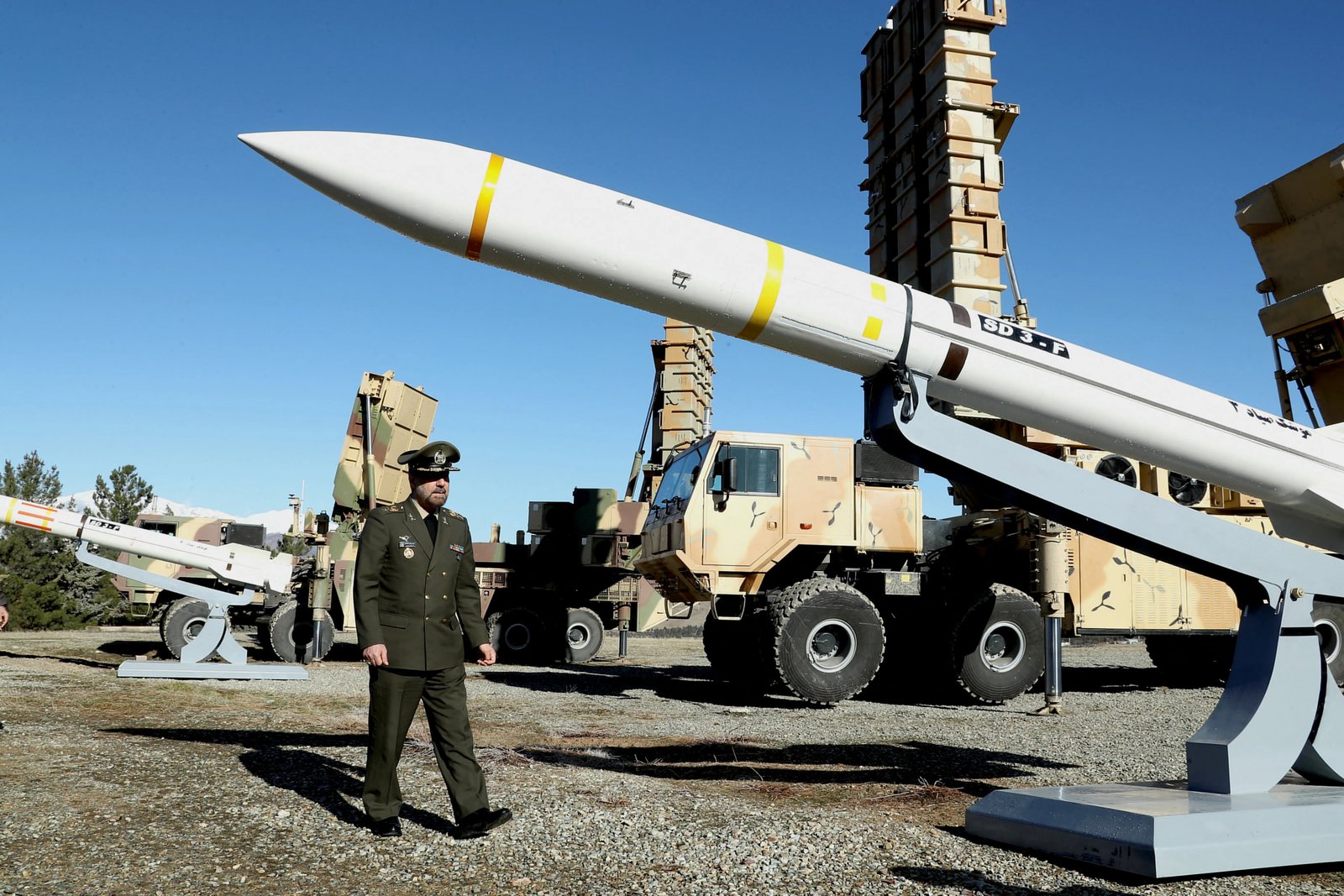
Russia Ukraine war intensifies at a time when Ukraine’s defensive capacity is increasingly dependent on external military support, especially in air defense systems designed to counter mass drone attacks.
The growing scale of aerial strikes shows how Russia is adapting its strategy by using high-volume, low-cost drone warfare combined with missile strikes to overwhelm Ukrainian defenses.
This shift places additional pressure on NATO countries, particularly European members, to maintain long-term military and financial support as the war continues without a clear end.
WHAT ANALYSTS OR OFFICIALS ARE SAYING
Defense analysts argue that Russia’s recent operations indicate a strategy focused on sustained pressure rather than rapid territorial expansion. The aim appears to be gradual exhaustion of Ukraine’s defensive resources.
Ukrainian officials continue to stress the urgent need for advanced air defense systems, warning that without increased supply, civilian infrastructure will remain highly vulnerable to repeated strikes.
European security observers note that Germany’s expanded cooperation with Ukraine signals a deeper commitment within NATO-aligned Europe, especially as global attention is divided across multiple international crises.
DALJOOG NEWS ANALYSIS
Russia Ukraine war intensifies as the conflict evolves into a prolonged war of attrition where technology, supply chains, and international alliances are as important as battlefield control.
Germany’s defense agreement with Ukraine highlights a growing European willingness to take a more active role in sustaining Kyiv’s war effort, particularly in strengthening drone and air defense capabilities.
However, Ukraine’s core vulnerability remains its limited ability to counter large-scale aerial assaults in real time. Even with new agreements, the gap between attack volume and interception capacity continues to pose serious risks.
The broader implication is that the war is no longer defined only by frontlines but by industrial capacity, foreign aid speed, and the ability of allies to maintain long-term support under global political pressure.
WHAT HAPPENS NEXT
Russia Ukraine war intensifies is expected to remain a defining feature of the conflict as both sides prepare for continued escalation in aerial and missile warfare.
Ukraine is likely to accelerate procurement of air defense systems through Germany and other Western partners, while also expanding domestic drone development programs.
Russia is expected to maintain its strategy of large-scale drone and missile strikes aimed at weakening infrastructure and exhausting defensive systems over time.
In the coming weeks, the effectiveness of Ukraine’s new defense cooperation with Germany will be closely watched as a key indicator of whether the current escalation can be contained or further intensified.