



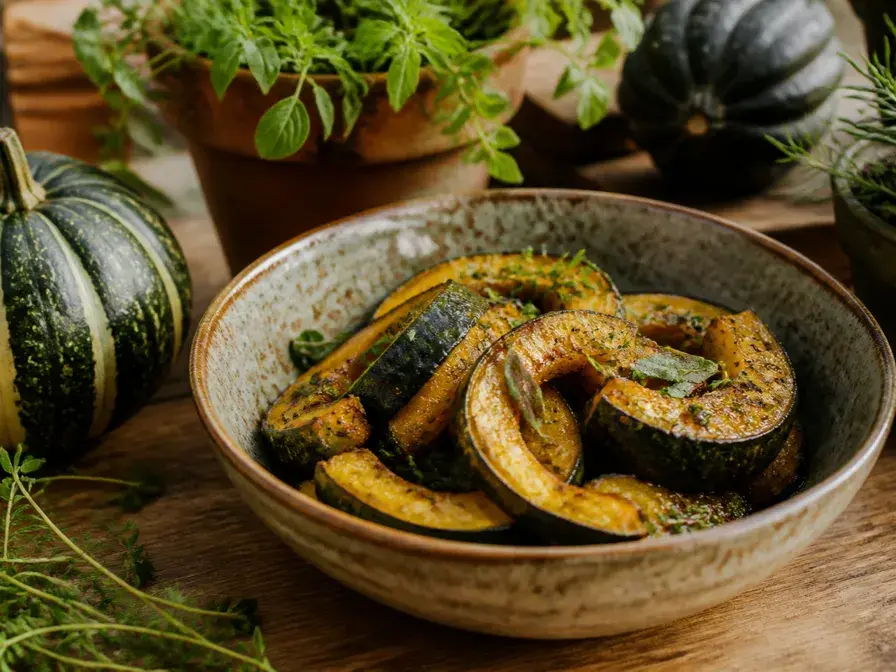
Home cooks across the country are marking National Acorn Squash Day, an observance celebrating the versatile fall vegetable known for its distinctive ridged shape and sweet, nutty flavor that makes it a popular choice as autumn cooking season begins in earnest.
Acorn squash has long served as a seasonal staple in autumn and winter cooking, prized for both its accessible preparation methods and its nutritional profile, offering fiber, vitamins, and minerals that make it a healthy addition to seasonal meal planning throughout the colder months.
Roasting remains the most popular preparation method for acorn squash, with many home cooks simply halving the vegetable, removing seeds, and roasting it with butter and brown sugar or savory seasonings depending on whether they prefer a sweeter or more herb forward flavor profile.
The vegetable’s naturally sweet flavor pairs well with a wide range of seasonings, from warm spices like cinnamon and nutmeg for sweeter preparations to savory herbs and garlic for those preferring a more herb driven approach to enjoying this seasonal favorite.
Stuffed acorn squash preparations have grown increasingly popular in recent years, with home cooks filling the hollowed vegetable with combinations of grains, proteins, and additional vegetables to create a complete and visually appealing meal centered around the squash itself.
Nutrition experts frequently highlight acorn squash as an excellent source of fiber and various vitamins, making it a popular choice among health conscious cooks looking to incorporate more nutrient dense vegetables into their autumn and winter meal rotations throughout the season.
Farmers markets and grocery stores typically see acorn squash availability increase significantly during this time of year, coinciding with the vegetable’s natural harvest season and creating fresh interest in seasonal recipes that showcase this readily available autumn produce item.
Soup preparations featuring acorn squash have also gained popularity, with pureed versions offering a smooth, comforting option that showcases the vegetable’s natural sweetness while providing a warming dish well suited to the cooler temperatures arriving with the changing season.
Sustainability conscious cooks appreciate acorn squash for its relatively long storage life compared to more perishable produce, allowing households to purchase the vegetable in advance and store it for extended periods before preparation, reducing food waste during meal planning.
Culinary educators often highlight acorn squash as an accessible entry point for home cooks looking to expand their vegetable preparation skills, given its forgiving nature during cooking and the relatively simple techniques required to achieve satisfying results across various recipe approaches.
As this observance continues, home cooks across the country are encouraged to explore acorn squash preparations as autumn cooking season gets fully underway. Whether roasted simply or incorporated into more elaborate dishes, this versatile seasonal vegetable offers accessible ways to embrace the flavors of fall.