


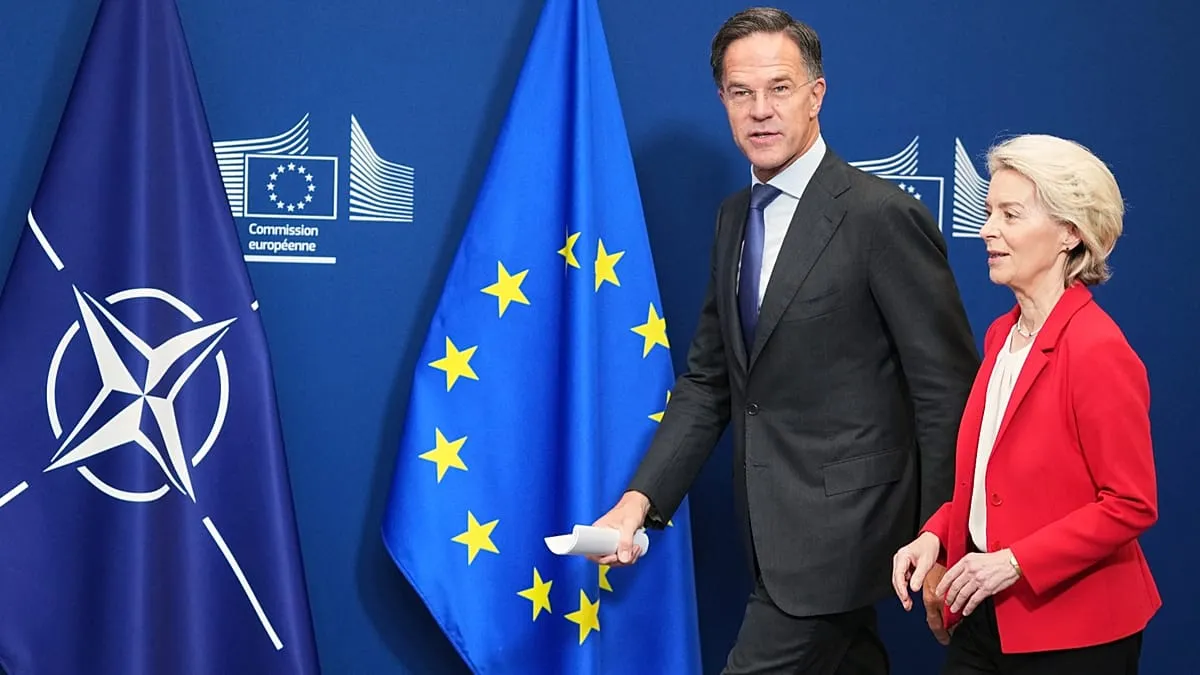
The heads of NATO and the European Commission have issued a pointed joint warning that NATO EU warn Russia reckless conduct continues escalating, accusing Moscow of becoming increasingly aggressive in its attacks affecting broader European security throughout the ongoing period of tension.
This coordinated warning from two of the West’s most significant institutional leaders reflects growing alarm about Russian behavior extending beyond the immediate conflict in Ukraine, with concerns about broader patterns of aggressive action affecting European security more generally.
European Commission President Ursula von der Leyen and NATO Secretary General Mark Rutte jointly emphasized their assessment that Russian actions have grown more reckless, suggesting reduced restraint compared to earlier periods of the conflict, even as the war continues without clear resolution.
This warning comes amid a broader pattern of incidents that various European nations have attributed to Russian hybrid warfare tactics, including suspected sabotage operations and drone incidents that have affected multiple countries beyond the immediate conflict zone in Ukraine itself.
Diplomatic sources suggest this joint statement reflects coordinated messaging between NATO and European Union leadership, aiming to present a unified assessment of security challenges facing the continent as both organizations continue supporting Ukraine while monitoring broader regional security implications.
The characterization of Russia as increasingly reckless carries significant diplomatic weight, potentially signaling shifts in how allied nations approach both continued support for Ukraine and broader defensive preparations against perceived expanding Russian security threats throughout the region.
This warning occurs alongside ongoing diplomatic efforts aimed at ending the Ukraine conflict, creating a complex dynamic where allied leaders simultaneously pursue peace negotiations while also expressing growing concern about broader Russian behavior patterns affecting continental security.
Military analysts have noted various incidents throughout the year that have contributed to this heightened concern, including reported airspace violations, suspected sabotage operations targeting critical infrastructure, and other activities that various European governments have attributed to Russian actors.
European defense spending has increased substantially in response to these growing security concerns, with multiple nations accelerating military modernization efforts and defense budget increases specifically citing the evolving Russian threat assessment as justification for expanded defense investments.
Russian officials have consistently denied allegations connecting their government to various hybrid warfare incidents throughout Europe, characterizing such accusations as unfounded and politically motivated attempts to justify continued Western military support for Ukraine and broader defense spending increases.
As this joint warning continues generating diplomatic attention, European allies face difficult questions about how to balance continued support for Ukraine, broader defensive preparations, and potential diplomatic engagement with Russia. This assessment from top NATO and EU leadership adds significant weight to ongoing security policy discussions throughout the alliance.