


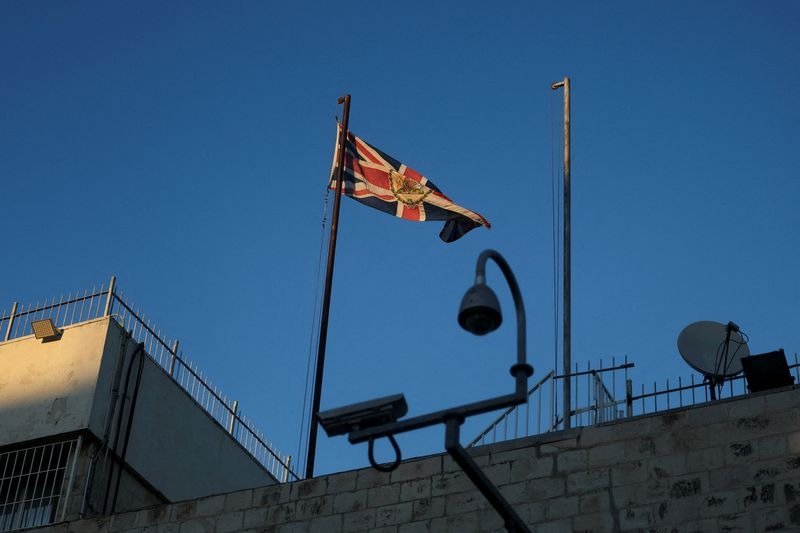
The Jerusalem Consulate Crisis deepened on October 8 as Britain removed signs and plaques from its consulate in East Jerusalem after Israel ordered the mission to close. Workers removed the markings overnight as the deadline for the Israeli order approached. The dispute has created one of the most serious diplomatic tensions between Britain and Israel in years and could lead to further action between the two governments.
The British consulate has long played an important role in dealing with Palestinians and in providing diplomatic services in East Jerusalem. Britain considers the area occupied territory and has maintained a separate diplomatic presence there for many years. Israel’s decision to order the closure has therefore raised questions about the future of Britain’s work with Palestinians and its wider position on the status of Jerusalem.
The dispute developed after Britain increased pressure on Israel over settlements and its policies in the occupied Palestinian territories. British officials have criticized settlement expansion and have supported international efforts to create a political path toward a Palestinian state. Israel has strongly objected to some of those actions and has argued that foreign governments should not interfere in decisions involving its security and territory.
The removal of the signs is a visible symbol of the dispute. Diplomatic buildings normally carry the name and identity of the country they represent, so taking those signs down shows that the normal operation of the mission has been seriously affected. It also sends a political message at a time when Britain and Israel are already arguing over several issues linked to the war and the future of the Palestinians.
Britain has reportedly considered stronger measures if Israel closes the consulate completely. One possible response could involve Israeli diplomats in Britain, although the two sides have continued discussions in an attempt to prevent the dispute from becoming worse. Diplomatic crises often involve strong public statements while officials work privately to find a way forward.
The disagreement comes during a sensitive period for the Middle East. The Gaza war has already changed relations between Israel and several European governments. Britain has tried to maintain its support for Israel’s security while also increasing pressure over Palestinian rights and humanitarian concerns. Finding a balance has become more difficult as the conflict continues and international criticism of Israeli policies grows.
The future of the consulate is also important for Palestinians who use British services. Diplomatic missions can help with travel documents, political contact and communication with local authorities. A closure could make some of those activities more difficult. Britain would then have to decide whether to provide similar services through another diplomatic office or another arrangement.
The October 8 development shows how a dispute that began with political disagreements can quickly become a direct diplomatic confrontation. Britain and Israel remain important partners in security and international affairs, but their disagreements over the Palestinian issue have become harder to contain. The removal of the consulate signs may be only a small physical action, but it represents a much larger disagreement over Jerusalem, diplomacy and the future of the region.