
Signs of progress in talks between the United States and Iran have raised hopes that the conflict disrupting the Middle East could move toward a less dangerous phase. President Donald Trump said Washington was having productive discussions with Tehran and that the United States would not attack Iran before the November midterm elections. The comments helped ease some fears about an immediate escalation, although major questions remain unresolved.
The conflict has caused serious disruption to energy markets because the Strait of Hormuz is one of the world’s most important routes for oil shipments. When shipping through the area becomes dangerous, traders worry that supplies will fall and prices will rise. Those fears have affected the cost of crude oil, fuel and transport, placing pressure on businesses and consumers far beyond the Middle East.
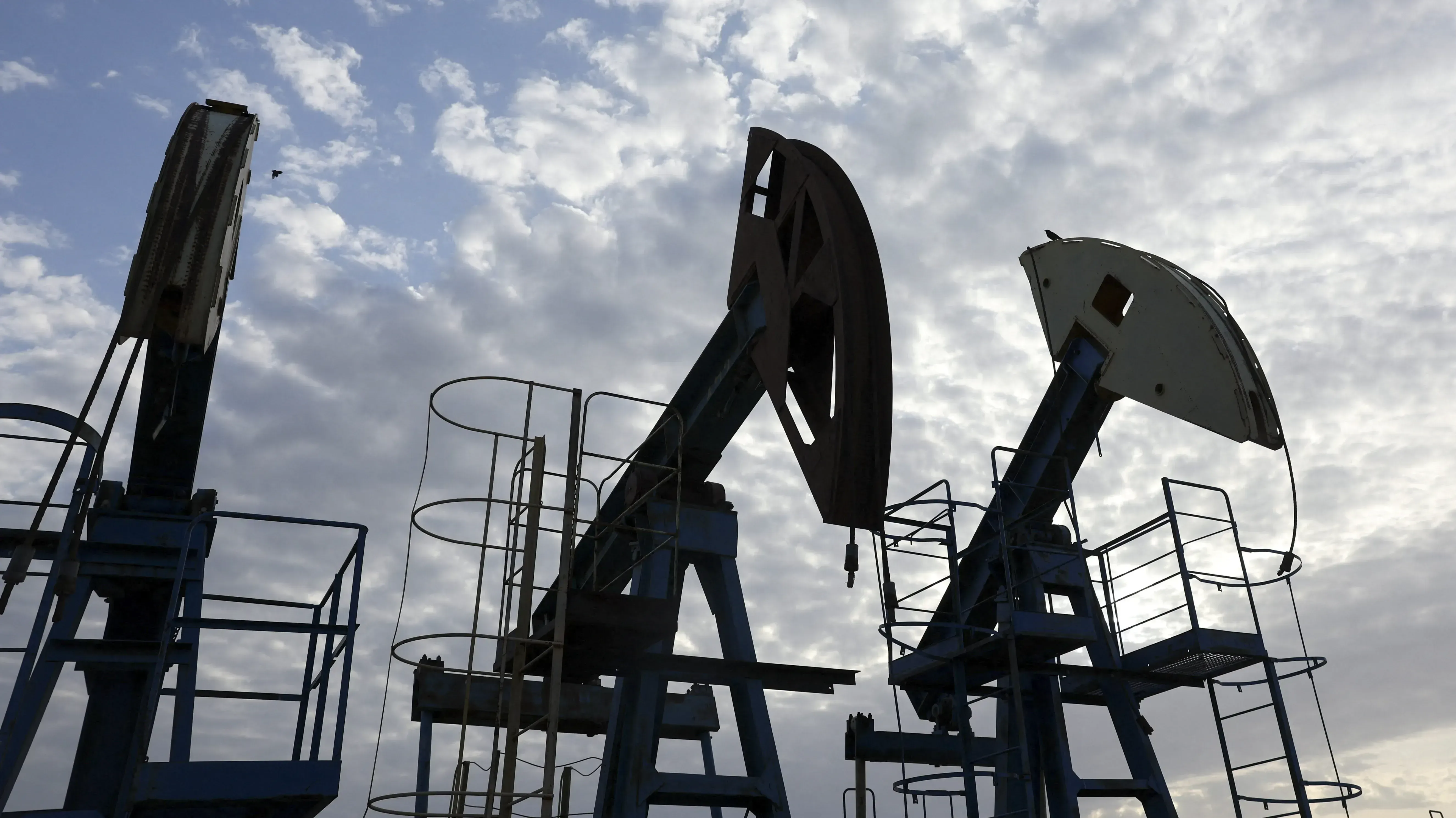
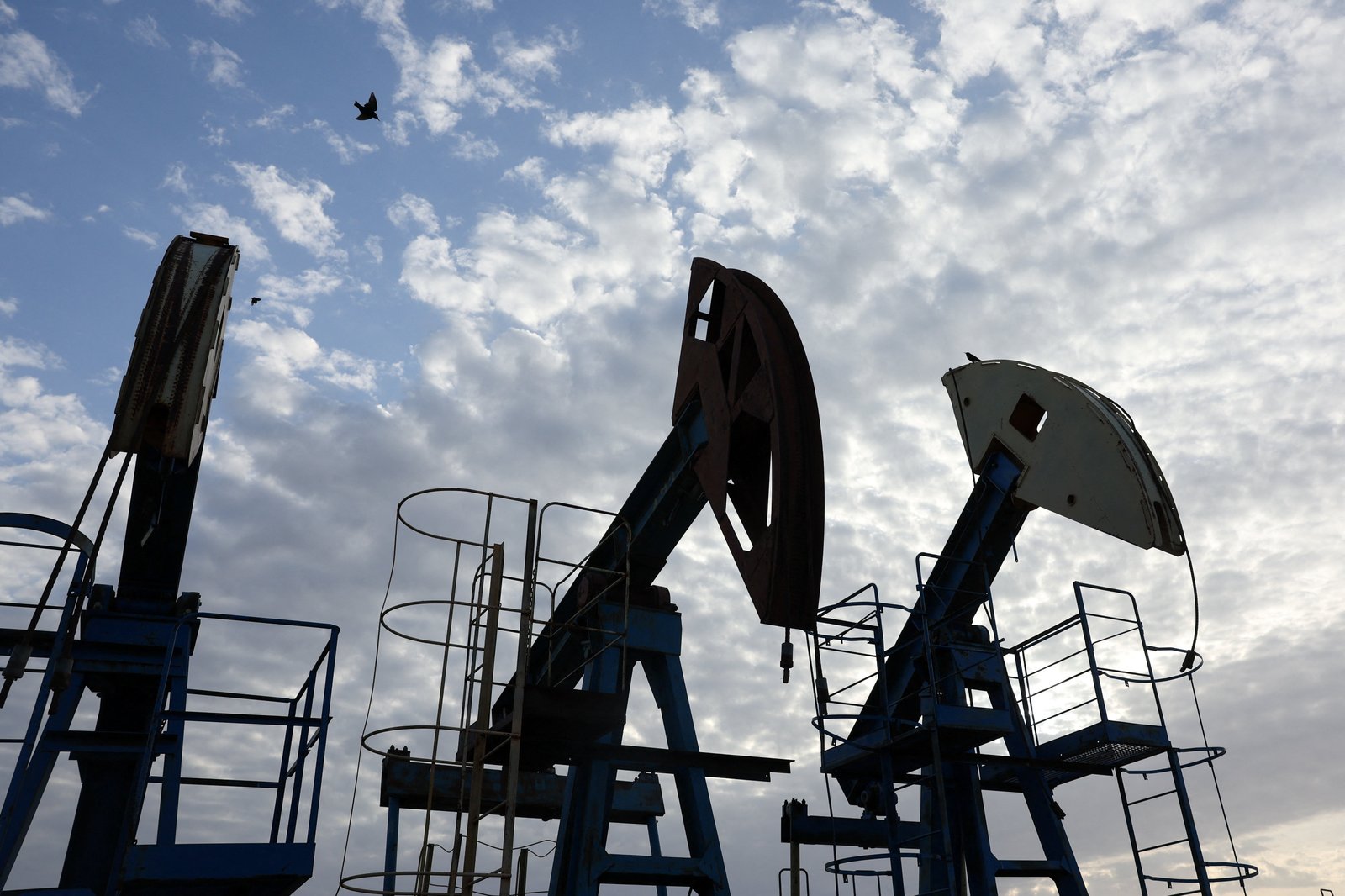
Oil prices fell after Trump’s comments. Brent crude dropped to about $102.91 a barrel, while US West Texas Intermediate fell to around $90.40. Despite the daily decline, Brent remained on course for a weekly gain after a sharp rise the previous day. The movement showed how closely energy markets are reacting to every sign of a possible change in the conflict.
Iran is reviewing a US response to a proposal that could reopen the Strait of Hormuz within seven days. Such a move would be important because restoring safe passage could allow more ships to travel through the waterway. However, reopening the route would require more than a public statement. Both sides would need to agree on conditions and ensure that shipping companies believe the risk has fallen enough to resume normal operations.
The United States continues to apply sanctions against Iranian oil networks. Washington has used sanctions to limit the revenue available to Iran and increase pressure on its government. Tehran has long argued that sanctions are unfair and has sought relief from economic restrictions. Any diplomatic agreement may therefore need to address both security concerns and the wider economic measures that have shaped relations between the two countries.
The timing of the talks is also important for US politics. The November 3 midterm elections are approaching, and higher fuel prices can affect public opinion. A further military escalation could increase costs for households and create pressure on the administration. A diplomatic opening could reduce some of that pressure, although the political effect will depend on whether the talks produce clear results.
There are still major reasons for caution. Both governments have a history of deep mistrust, and statements about productive talks do not guarantee an agreement. Military activity, sanctions and disagreements over regional security could still derail progress. Other countries in the region are also watching closely because they may be affected by any change in the conflict or shipping arrangements.
For global energy markets, the most important sign will be a lasting reduction in risk around the Strait of Hormuz. Lower oil prices can help reduce inflation pressure, but the effect may be temporary if attacks or threats return. Shipping companies will need confidence that vessels, crews and cargoes can travel safely before they restore normal schedules.
Iran Talks Progress offers a possible opening, but it is too early to treat it as a settled peace. The next steps will depend on whether both sides can turn public statements into practical measures. A stable agreement could ease pressure on energy supplies and reduce the risk of a wider conflict. Until that happens, governments, businesses and traders will continue to watch the negotiations closely.