

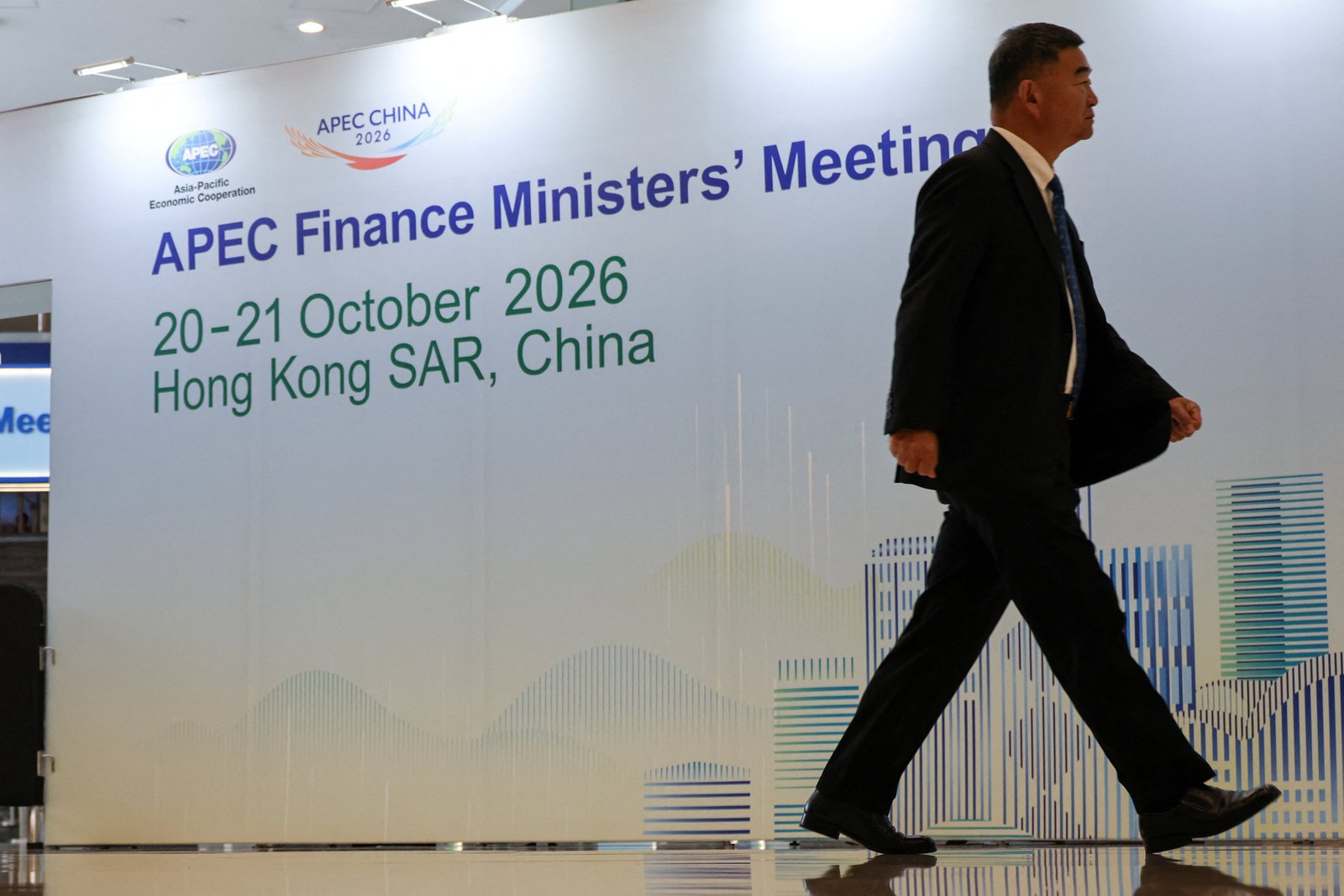
China has urged Asia-Pacific economies to work more closely together as global trade faces uncertainty and governments confront rising geopolitical tensions. The call came at the APEC Finance Ministers’ meeting in Hong Kong, where Chinese Finance Minister Lan Foan highlighted the forum’s role in supporting economic growth and cooperation.
APEC brings together 21 economies, including major trading powers such as China, the United States, Japan and Russia. The group does not operate as a political union, and its members have different views on security, trade and economic policy. However, it provides a platform for officials to discuss shared concerns and identify areas where cooperation may be possible.
Lan said members should work together on issues including artificial intelligence, digital development and green growth. These subjects have become increasingly important in international diplomacy because they affect jobs, investment and the balance of economic power. Countries are competing to develop advanced technology while also trying to avoid disruptions to supply chains.
Artificial intelligence presents opportunities but also raises concerns about data protection, security and fair competition. Governments may need to discuss standards and ways to manage risks when digital services cross national borders. Cooperation could help reduce confusion for companies, although different national rules may make agreement difficult.
Green development also requires coordination. Countries are investing in cleaner energy and more efficient infrastructure, but the costs and pace of change differ from one economy to another. Joint work on technology and finance could help support projects, while disagreement over responsibilities may slow progress.
The meeting is taking place amid uncertainty over global trade and regional security. Companies are reassessing supply chains and investment plans as governments introduce new policies and competition between major economies continues. These changes can affect exporters, manufacturers and consumers far beyond the countries directly involved.
China has also reaffirmed its commitment to economic reform, though Lan did not provide detailed new measures at the meeting. Diplomats and investors will look for practical steps that improve confidence and make trade conditions more predictable.
APEC cannot eliminate political disagreements among its members. Its value lies in providing a space for dialogue and in encouraging cooperation where interests overlap. Even limited agreements can matter when they help businesses plan investment or reduce barriers to trade.
The next challenge will be turning broad statements into specific outcomes. Governments will need to decide which projects can move forward, how they will be funded and how progress will be measured. The discussions in Hong Kong underline the continuing importance of diplomacy in an interconnected region where economic growth depends partly on the ability of countries to work together despite wider tensions.