

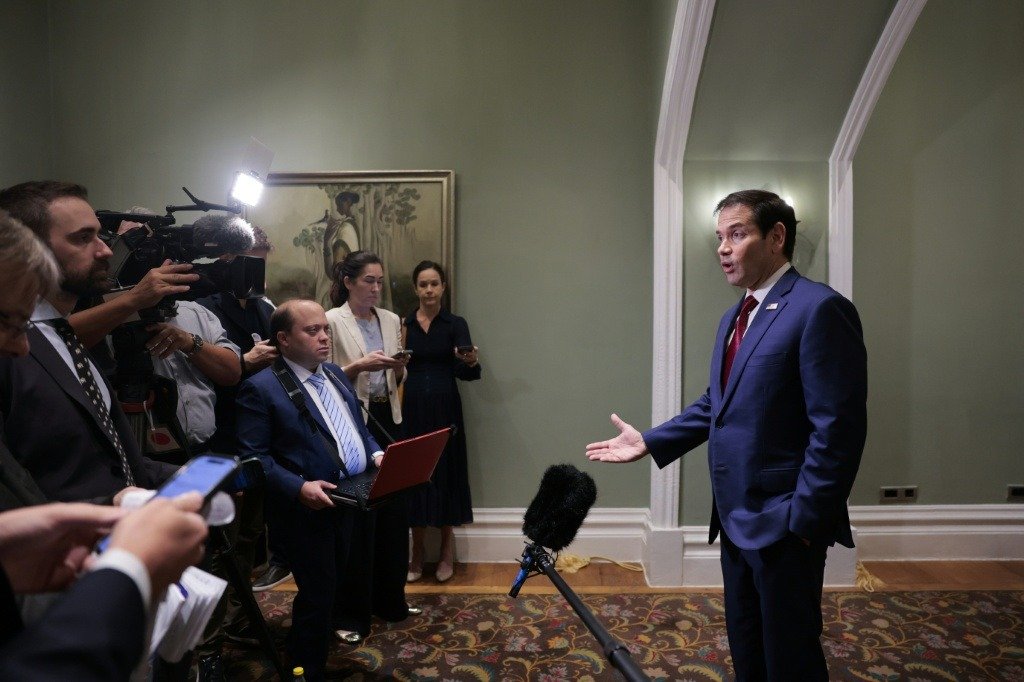
US Secretary of State Marco Rubio has called on people seeking political change in Cuba to work with the Central Intelligence Agency, adding to tensions between Washington and Havana. His remarks came as President Donald Trump said the United States would turn its attention to Cuba after dealing with Iran. The comments suggest that Cuba may again become a focus of US foreign policy.
Rubio made the remarks during an appearance in Florida, where Cuban American communities have long followed political developments on the island closely. The US government has maintained a difficult relationship with Cuba for decades, shaped by disputes over political freedoms, economic restrictions and security. Rubio has frequently supported a tougher approach towards the Cuban government.
Trump said Washington would address Cuba after its current focus on Iran and suggested that the administration wanted to reach a deal. The president also indicated that Rubio could be sent to help finish negotiations. The comments did not provide details about the form any agreement might take or what conditions the United States would demand.
The prospect of closer US involvement in Cuban affairs could have wide implications. Cuba’s government has repeatedly opposed American pressure and has described US policy as interference in its domestic affairs. Washington, meanwhile, has argued that political and economic pressure is needed to encourage change. Any new steps could affect trade, migration and relations with other countries in the region.
The reference to intelligence cooperation is particularly sensitive because of the history between the two countries. Past US efforts to influence political developments in Cuba have contributed to deep mistrust. Critics of a hard-line approach warn that it can increase tensions without improving conditions for ordinary Cubans. Supporters argue that pressure is needed to challenge the government and support those who want political change.
At this stage, the remarks do not amount to a detailed policy announcement. It remains unclear whether the administration will pursue formal negotiations, new restrictions or other measures. The Cuban government has not agreed to any publicly outlined deal in response to the comments.
The situation will depend on what Washington does next and how Havana responds. If the administration moves towards negotiations, both sides would face difficult questions about political conditions and economic relations. If it increases pressure instead, the risk of a further diplomatic dispute could grow. For now, Rubio’s comments signal that Cuba remains firmly on the administration’s agenda.