


Thailand has welcomed renewed contact between the United States and Myanmar’s military-backed government and expects regional leaders to discuss Myanmar’s future at an upcoming ASEAN summit. The position reflects Thailand’s interest in keeping diplomatic channels open while the region continues to face the political consequences of Myanmar’s 2021 military coup. The issue remains difficult for Southeast Asian governments, which have tried to balance engagement with pressure for a peaceful political solution.
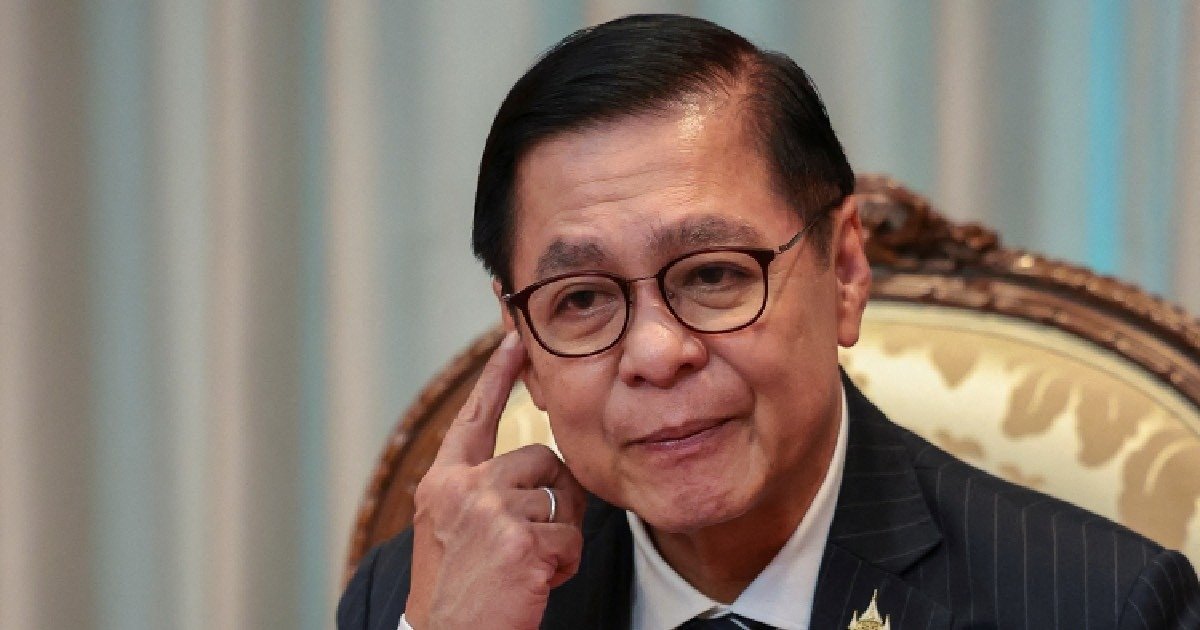
Thailand’s foreign minister, Sihasak Phuangketkeow, said the country did not want Myanmar to remain isolated or become a place for wider geopolitical rivalry. His comments came as the United States increased contact with Myanmar’s military-backed authorities. The two sides had held talks in Tokyo, continuing a series of meetings as Washington reconsidered how to deal with the country’s leaders.
The renewed engagement marks an important diplomatic development because Myanmar’s political crisis has strained relations across Southeast Asia. Since the military took power in 2021, the country has faced conflict, opposition to military rule and serious humanitarian needs. The crisis has also created challenges for neighbouring countries, including border security, displaced people and the movement of goods and workers. Governments in the region have had to consider how the situation affects their own stability.
ASEAN, the Association of Southeast Asian Nations, has sought a regional approach to the crisis. The group has called for dialogue and has promoted a peace plan, but progress has been limited. Member states have not always agreed on how strongly to pressure Myanmar’s military leaders or how much contact should be maintained. These differences have made it difficult to present a single, effective response.
Thailand’s support for continued engagement does not mean that all questions have been resolved. Diplomatic talks can create opportunities to reduce tensions, but they do not guarantee political reform or an end to violence. Governments must consider whether meetings produce practical results, such as greater humanitarian access, a reduction in fighting or steps toward an inclusive political process. Without progress on these issues, diplomatic contact may have limited effect on conditions inside Myanmar.
The United States also faces choices about how to manage its relationship with Myanmar. Engagement can provide a way to communicate directly with those who hold power, but it can also be criticised if it appears to offer political recognition without clear changes. Washington must weigh its goals in Southeast Asia against concerns about human rights, regional security and its relations with other governments.
For Thailand, the situation has direct consequences. The two countries share a long border, and instability in Myanmar can affect trade, migration and local communities. Thai authorities also need to manage humanitarian needs when people cross the border to escape fighting. A more stable Myanmar would help reduce some of these pressures, although any lasting settlement would require cooperation among many groups.
The upcoming ASEAN summit in Manila is expected to provide another chance for regional leaders to discuss how to proceed. Members may debate whether renewed US contact can support ASEAN’s own efforts or create new differences within the group. The challenge will be to keep communication open while maintaining pressure for a credible political process.
Thailand’s position shows that regional diplomacy is entering another phase, with governments looking for ways to address a crisis that has resisted earlier efforts. Continued engagement may help create openings for dialogue, but its value will depend on what follows. For people affected by the conflict, the key measure will be whether diplomatic efforts lead to greater safety, humanitarian relief and a path toward lasting peace.