
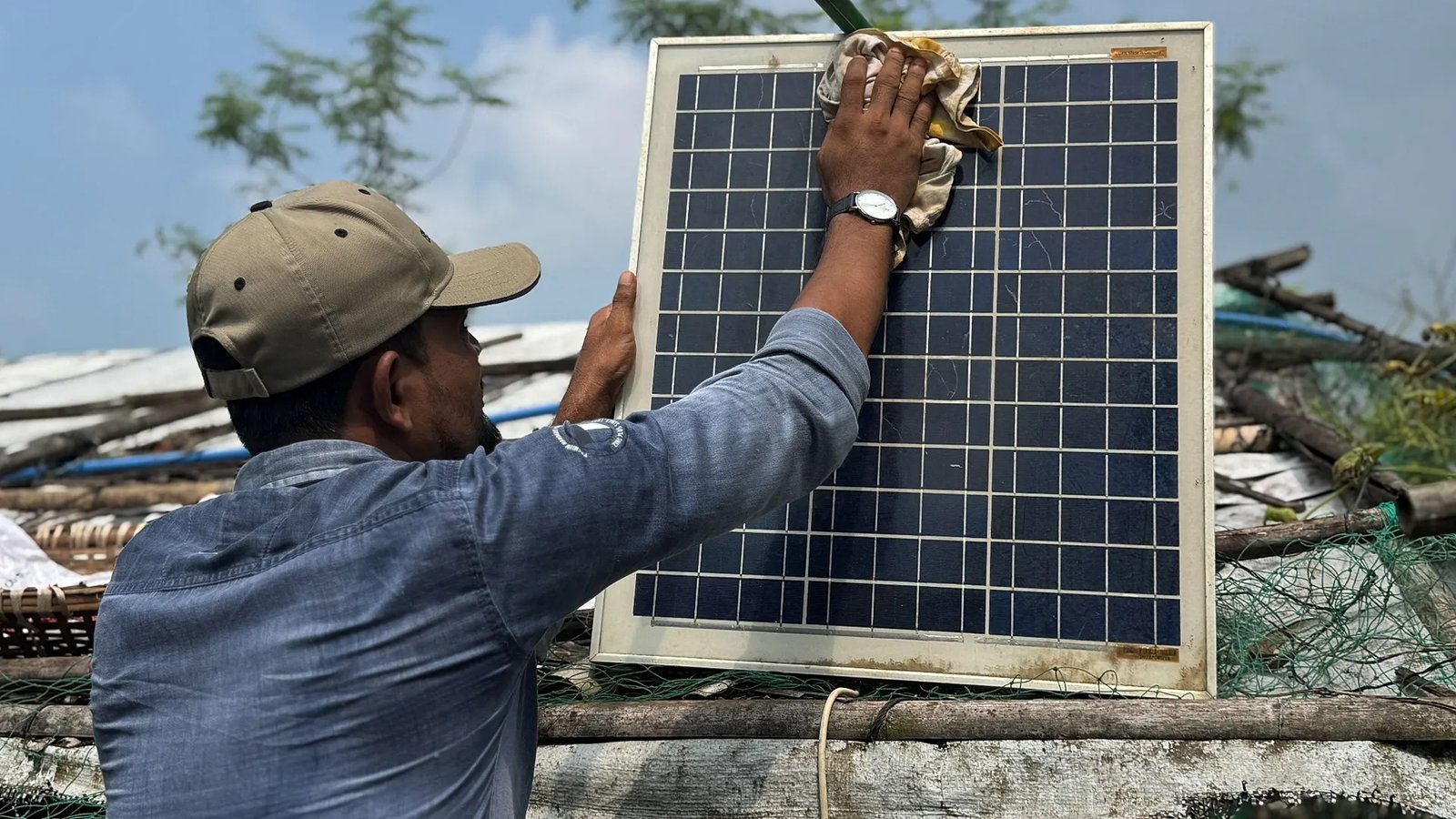
Portable solar kits are helping people in refugee camps and conflict zones access basic electricity for daily needs. These small systems can provide power for lights, mobile phones and other essential devices when normal electricity networks are damaged or unavailable. Their growing use reflects the need for practical energy solutions in places where families may live for months or years without reliable access to public services.
Electricity affects many parts of everyday life. A light can help children study after dark, while a charged phone allows families to contact relatives and receive information. Health workers may need power for communication equipment and basic tools. In a camp where electricity is limited, even a small solar system can make daily routines safer and more manageable.
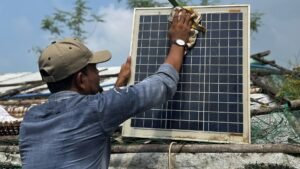
Portable solar kits usually combine a solar panel with a battery and outlets for charging devices. Some systems can power lights and small appliances, depending on their capacity. Because they use sunlight rather than fuel, they can reduce the need to transport petrol or diesel into remote areas. This can be especially useful when roads are unsafe, fuel supplies are unreliable or humanitarian teams struggle to reach communities.
The systems can also support education. Children who have been displaced by conflict may already face long breaks in schooling, a shortage of teachers and limited access to books or online learning. A reliable light can give them more time to read or complete assignments. Where digital learning is available, charging phones or tablets can help students connect with lessons and educational material.
For families, the benefits can extend to communication and personal safety. Phones are often a key link to relatives, aid workers and local services. A charged device can help someone find information about food distribution, medical care or transport. Lighting around a shelter can also make movement easier at night, although solar kits alone cannot address the wider security risks that people may face in camps.
The technology still has limits. Small panels produce less electricity during cloudy weather and may be difficult to position where shelters are crowded. Batteries need careful use and may eventually require replacement. Families may also need help learning how to maintain the equipment and protect it from damage or theft. Aid organisations must consider these practical issues when choosing which systems to distribute.
Solar kits are not a replacement for reliable public power, safe housing or functioning health and education services. They are one tool that can help meet urgent needs while larger systems remain damaged or unavailable. A camp still needs clean water, sanitation, food supplies, medical support and protection for vulnerable people. Electricity can make these services easier to provide, but it cannot replace them.
The cost of distributing equipment is another concern. Humanitarian groups must decide how to use limited funding across many needs. A solar kit may offer long-term value because it can be reused and does not require regular fuel purchases, but the initial expense can be difficult for organisations working under pressure. Partnerships with manufacturers, donors and local groups may help make the systems more widely available.
Portable solar technology shows how relatively small devices can improve daily life during a crisis. For displaced families, access to light and communication can restore a measure of independence and help them manage ordinary tasks. The greatest benefits come when the equipment is safe, reliable and supported by wider humanitarian services. As displacement continues in many parts of the world, practical energy access remains an important part of helping people live with dignity.