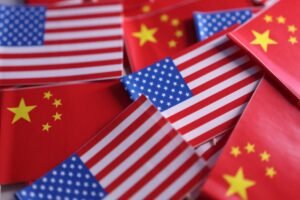


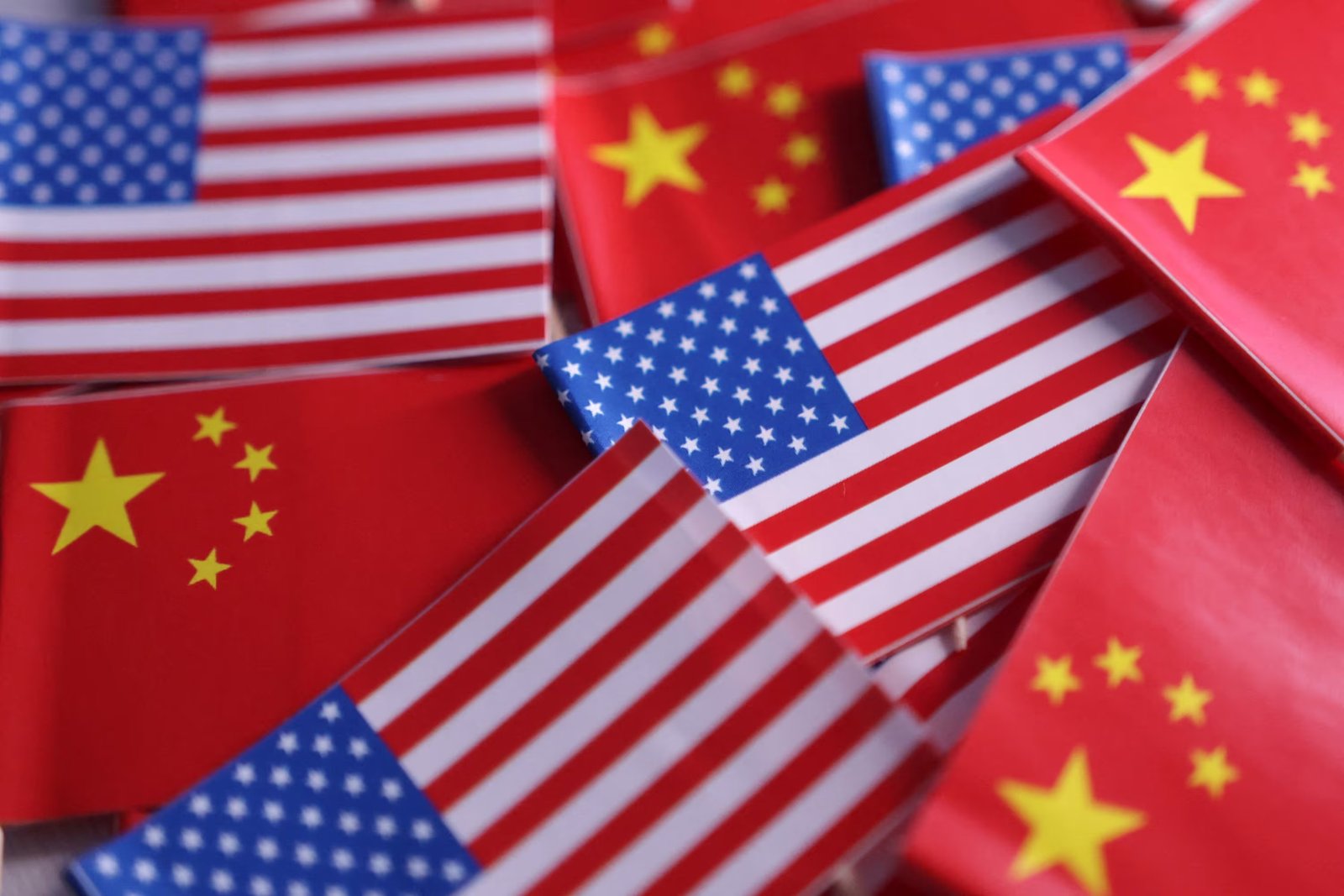
China has condemned a US decision to add three Chinese medical equipment companies to a list linked to alleged forced labour involving Uyghurs and other minority groups. The companies named by Washington include MGI Tech, BGI Genomics and Shenzhen BGI Technology, also known as BGI Group. The move adds another point of friction between the two major economies, whose relationship is already shaped by disputes over trade, technology, security and human rights.
Under the US Uyghur Forced Labor Prevention Act, goods associated with listed entities can be blocked from entering the American market unless exporters meet the legal requirements to rebut the presumption that the products were made with forced labour. The policy is designed to prevent US consumers and businesses from benefiting from products linked to alleged abuses. It also places compliance responsibilities on companies that import goods or rely on complex international supply chains.
China’s commerce ministry argued that the US action violated understandings reached between the two countries’ leaders. Beijing described the decision as political pressure and called on Washington to stop what it views as the misuse of trade restrictions. The Chinese government has said it will protect the interests of its companies and oppose measures it considers unfair.
The companies involved have disputed the allegations. MGI has said it has zero tolerance for forced labour, while BGI has also rejected claims against it. Such responses are likely to become part of any effort to challenge the restrictions or demonstrate compliance with US law. The dispute highlights how difficult it can be for international businesses to navigate rules that involve labour practices, sourcing and political relations.
The issue is also connected to wider concerns about conditions in Xinjiang and other regions of China. United Nations experts have reported persistent allegations of forced labour affecting Uyghurs, Kazakhs, Kyrgyz and Tibetans. Beijing rejects the accusations, describing them as groundless. The opposing positions have made the issue a recurring source of tension in international diplomacy.
For businesses, the consequences can extend beyond the companies directly named. Suppliers and customers may need to review contracts, trace materials and provide documentation about production. Medical equipment is a particularly sensitive area because hospitals and healthcare providers depend on reliable supplies. Companies may have to seek alternative sources if restrictions affect availability or delivery schedules.
The latest dispute shows how human-rights policy can influence trade and diplomacy at the same time. Washington says restrictions are needed to prevent goods linked to forced labour from entering its market, while Beijing argues that the measures unfairly target Chinese companies. Any easing of tensions will depend on whether the two governments can manage their differences without allowing each new dispute to damage broader economic relations.