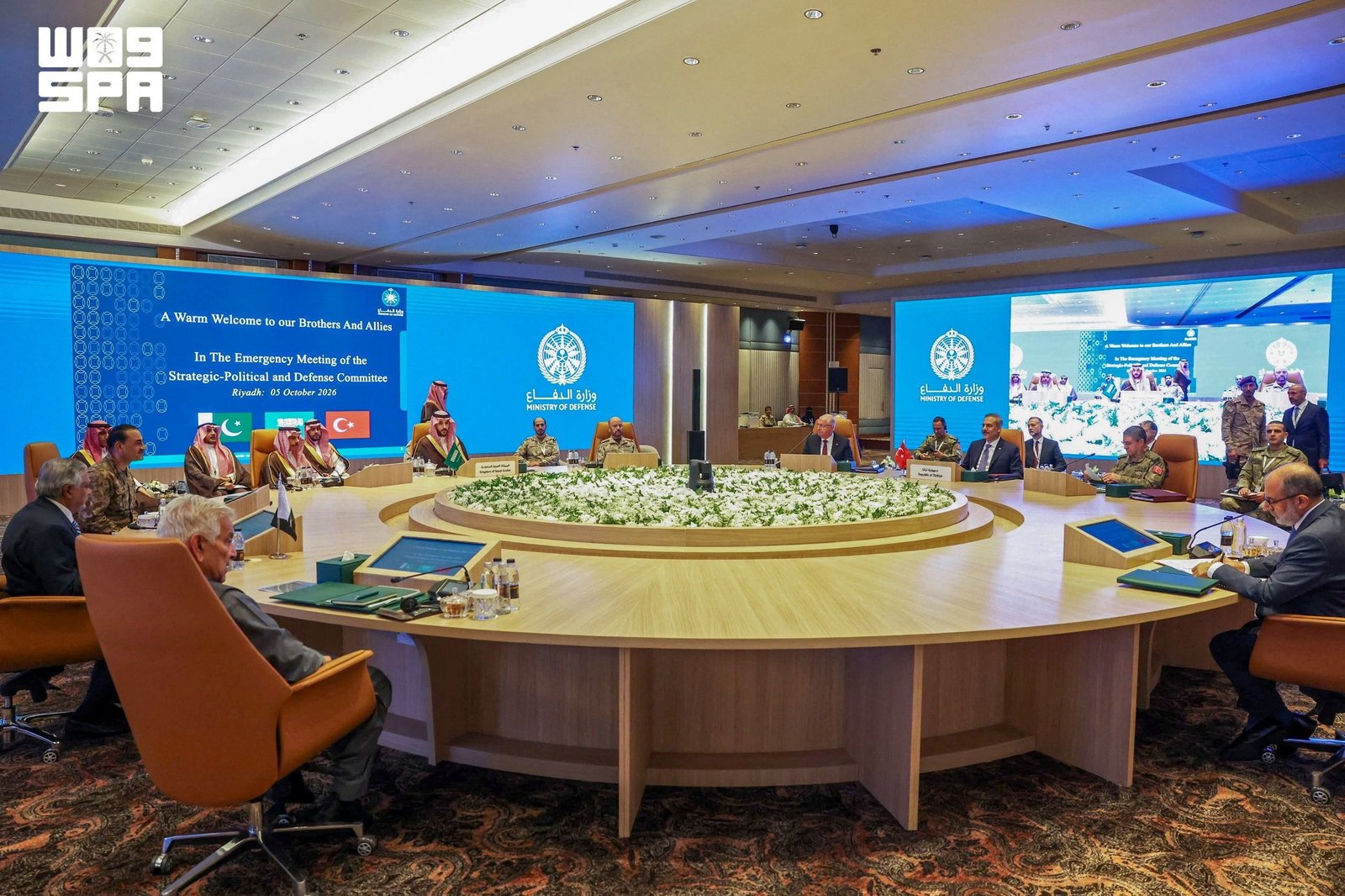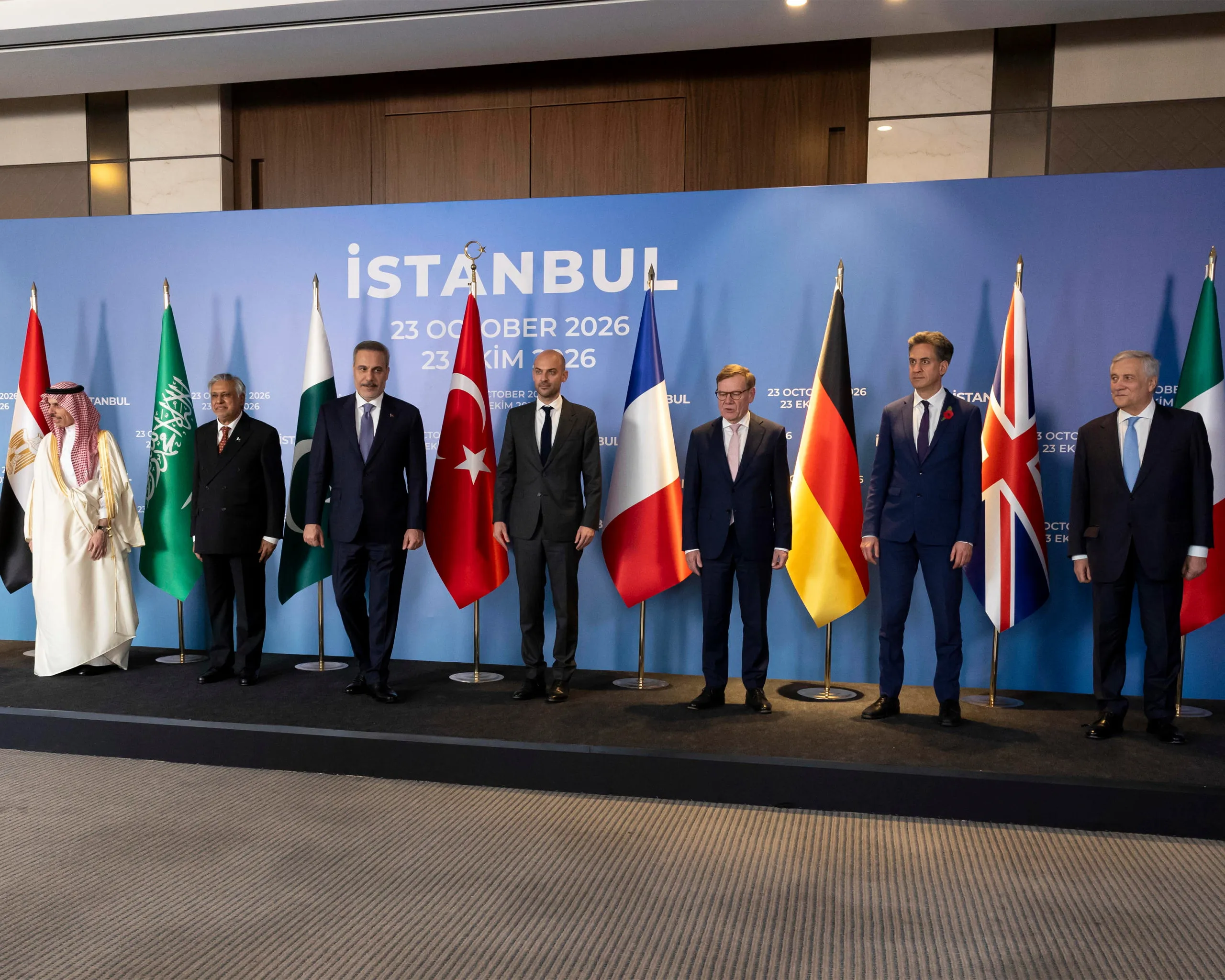


Officials from Saudi Arabia, Turkey and Pakistan held talks with Iran in Tehran as regional governments sought ways to reduce tensions and strengthen security cooperation. The meeting took place while attacks linked to the wider conflict continued to threaten energy infrastructure and shipping routes. The discussions show that regional powers are trying to maintain diplomatic channels even as military risks remain high.
The countries involved have different interests, but each has a reason to avoid a wider conflict. Saudi Arabia is concerned about attacks on its territory and energy facilities. Pakistan has an interest in regional stability and in maintaining relationships across the Middle East. Turkey has its own security and economic priorities, while Iran remains a central actor in the disputes affecting the region. Their participation creates an opportunity to exchange views directly.
The talks are taking place against the backdrop of renewed Houthi attacks on Saudi Arabia and earlier strikes on tankers near the Strait of Hormuz. The strait is essential to international energy trade, and disruption can affect oil prices and shipping costs around the world. Governments therefore face pressure to prevent the conflict from spreading and to protect infrastructure that supports both regional economies and global markets.
Diplomacy is difficult when the parties disagree over responsibility for the conflict and the conditions required for a settlement. Each government may have different expectations about security guarantees, military activity and the role of outside powers. Even when officials agree that escalation would be costly, they may struggle to agree on practical steps. Negotiations often require sustained contact rather than a single meeting.
The involvement of several countries may help keep communication open. Regional governments can sometimes convey concerns or proposals that are difficult to discuss publicly. They may also explore ways to reduce the risk of miscalculation, protect shipping and support further negotiations. However, talks can only produce lasting results if participants are willing to follow through on commitments and address the issues driving the conflict.
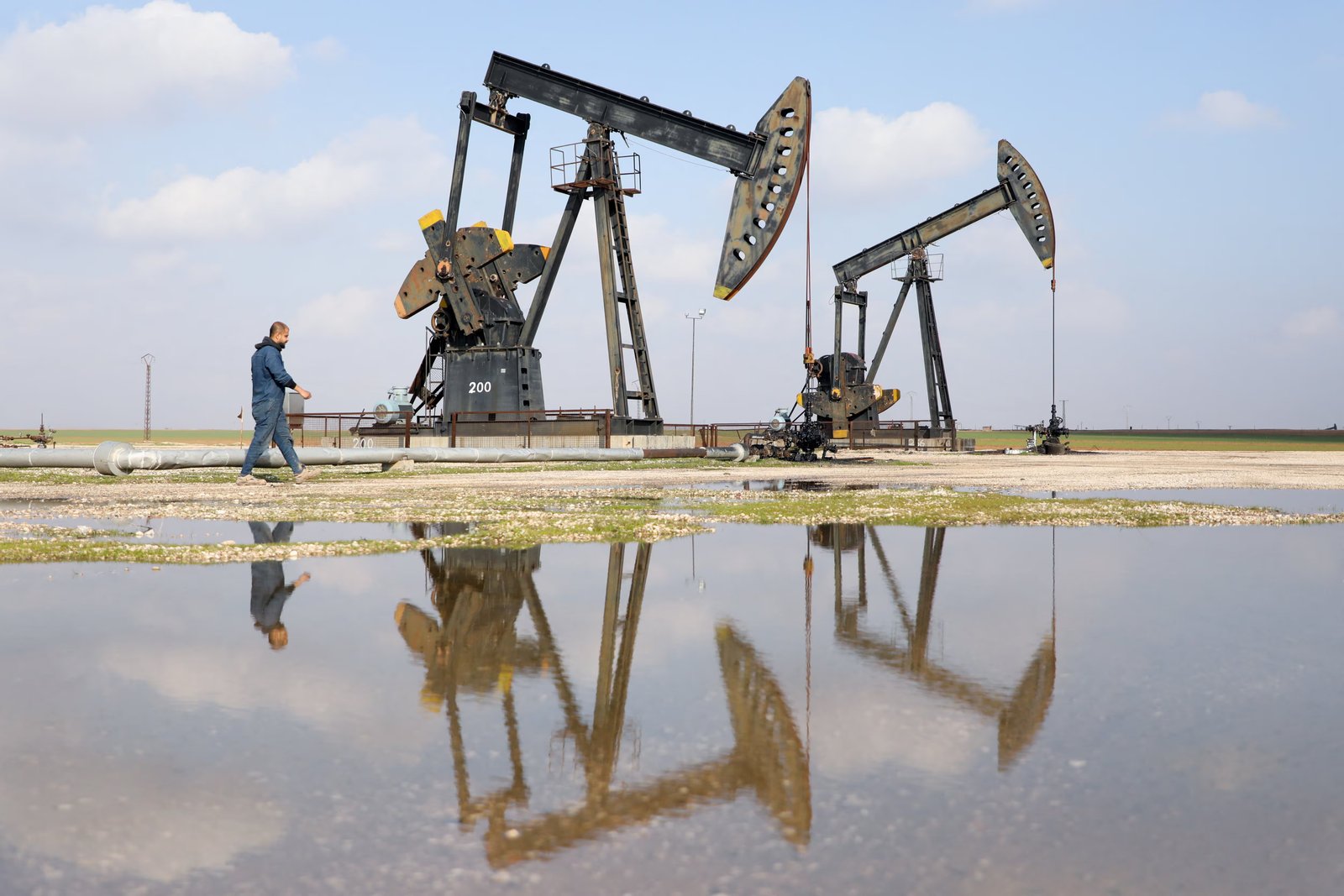
The economic stakes are substantial. Disruption to shipping can increase energy prices, raise insurance costs and create uncertainty for businesses that depend on reliable deliveries. Countries that import large amounts of fuel may face higher costs, while exporters can lose revenue if shipments are delayed. A reduction in tensions could therefore bring benefits beyond the immediate security situation.
Diplomatic progress must also be measured against conditions on the ground. Statements about cooperation do not guarantee that attacks will stop or that shipping will return to normal. Governments and businesses will look for evidence of fewer incidents, safer routes and more predictable energy flows. Such changes would offer stronger proof that dialogue is having a practical effect.
The Tehran meeting represents an effort to prevent further escalation at a time when regional tensions remain dangerous. It may not resolve the wider conflict, but it provides a channel for discussing security and cooperation. The next test will be whether officials can turn their discussions into steps that reduce attacks, protect civilians and create space for a more durable political solution.