

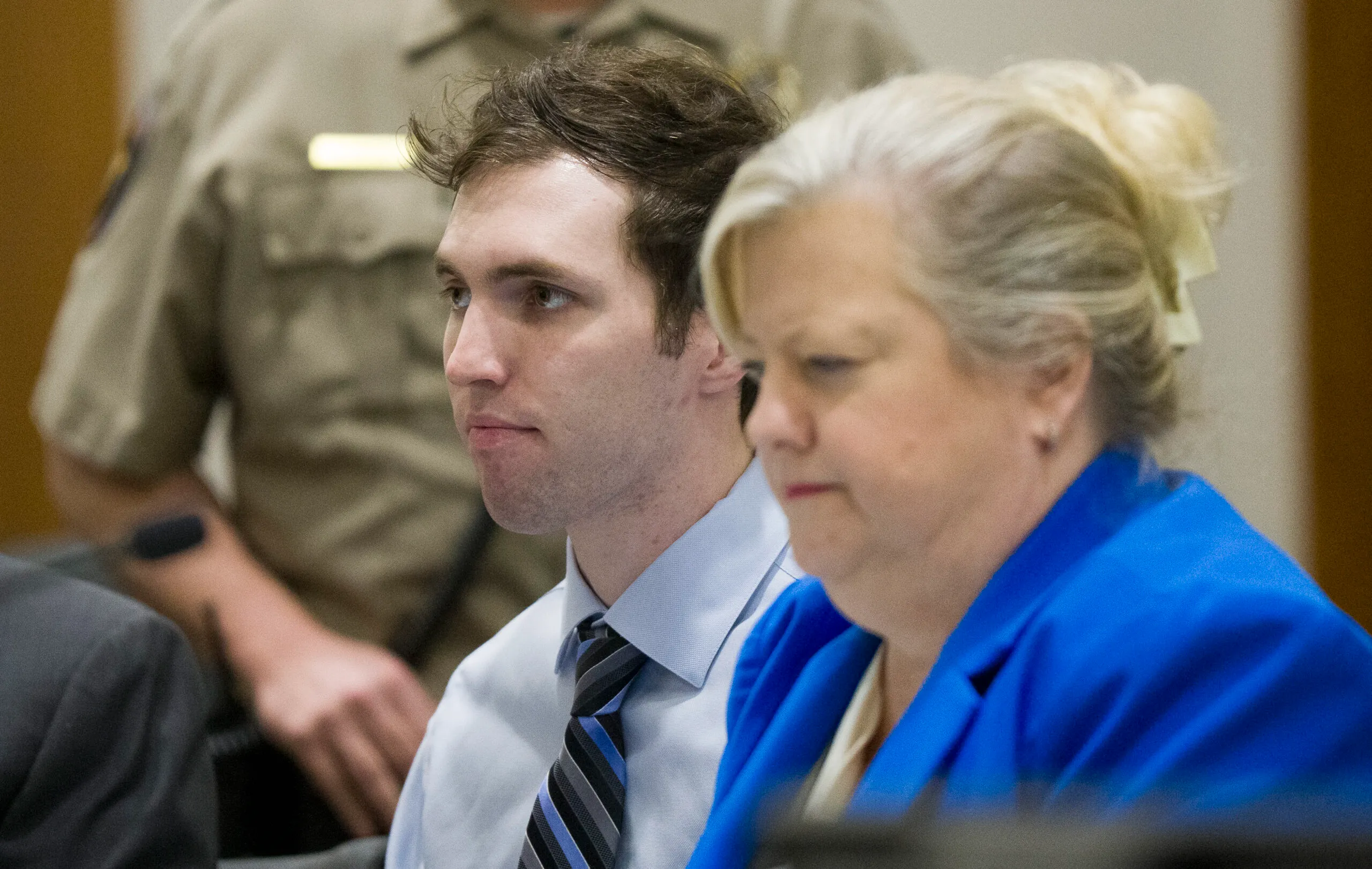
A judge in the US state of Utah has set June 21, 2028, as the date for jury selection in the murder trial of Tyler Robinson, who is accused of killing conservative activist Charlie Kirk. Robinson has pleaded not guilty to seven charges, including aggravated murder, following the shooting at Utah Valley University in 2025. The decision sets a timetable for one of the most closely watched criminal cases in the country.
Robinson’s lawyers had asked for a much later trial date in 2029. They argued that the defence needed more time to challenge the state’s request for the death penalty, collect evidence and seek a change of venue. The legal team also expects the trial to last between six and seven months.
Prosecutors had proposed starting the trial in January 2028. They estimated that the proceedings could take around 17 weeks. Kirk’s widow, Erika Kirk, also asked the court to begin the trial in 2027, saying that a quicker process could help bring an end to a painful period for the family.
The judge’s decision reflects the difficulty of preparing a case involving serious charges and extensive public attention. The court will need to consider evidence, legal arguments and the rights of both the accused and the victim’s family. The long period before the trial is expected to give both sides time to prepare.
Kirk was a prominent figure in US conservative politics and became widely known for organising events aimed at young voters. His public comments on social and political issues also attracted criticism from civil rights advocates. Prosecutors allege that Robinson targeted him because of his views on gay marriage and transgender rights. The defence has disputed that claim and said there is no evidence proving the alleged motive.
The case has drawn attention from political leaders, supporters and critics of Kirk. President Donald Trump has previously criticised the pace of the legal process and called for an earlier trial.
Robinson remains accused and has not been convicted. The scheduled date marks the next major stage in the case, but the court process will continue through pretrial hearings and legal challenges before a jury is selected.