

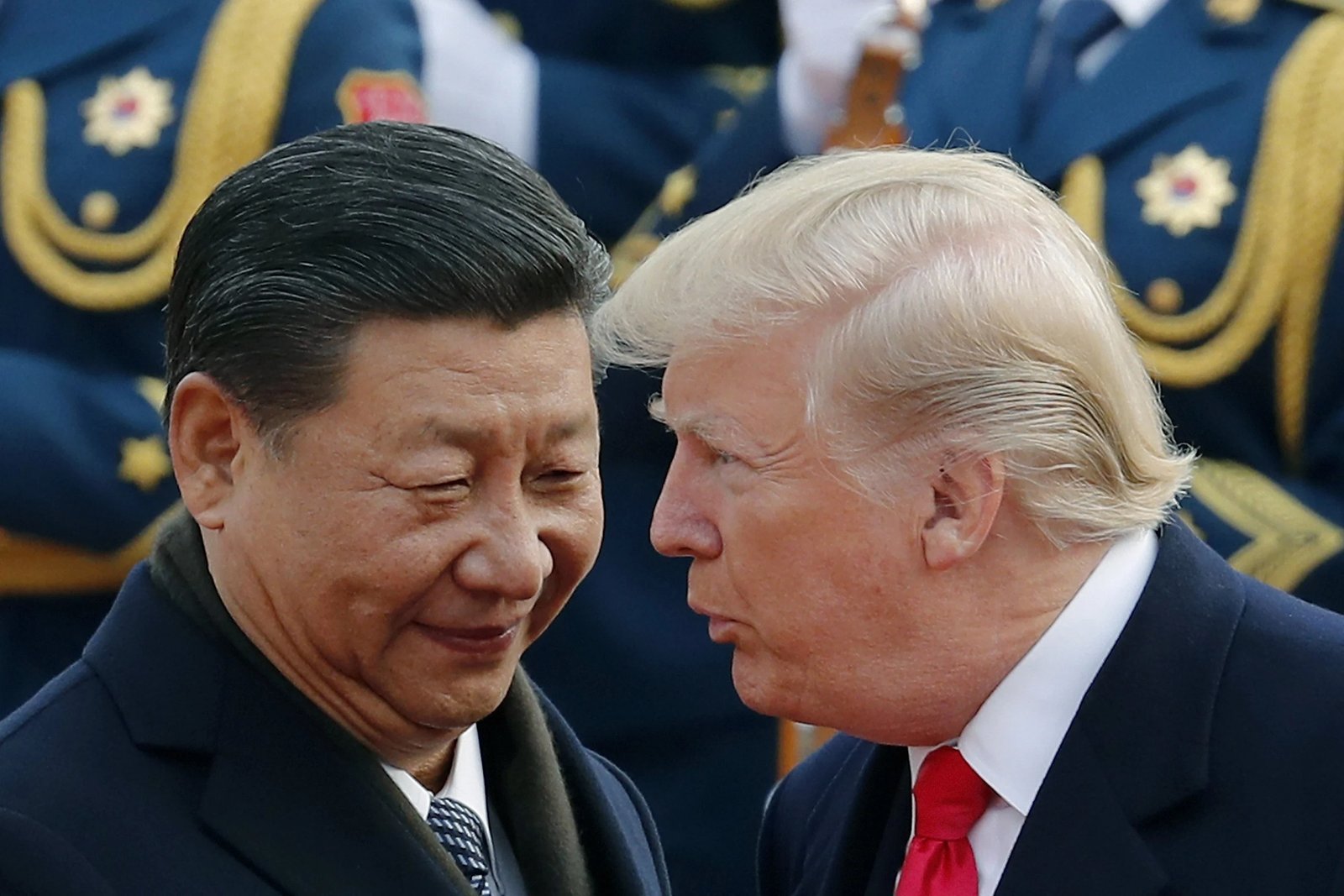
Diplomatic preparations are underway as US China leaders Washington talks approach later this month, bringing together President Trump and Chinese President Xi Jinping for discussions expected to address trade relationships, technology competition, and broader security concerns.
This summit arrives at a particularly complex moment in the bilateral relationship, with ongoing trade tensions, technology export restrictions, and competing strategic interests creating multiple friction points that both leaders will need to navigate during their scheduled meetings.
Trade issues will likely feature prominently on the agenda, given continued disagreements over tariffs, market access, and various commercial practices that have generated persistent tension between the world’s two largest economies throughout recent years.
Technology competition represents another significant discussion area, with artificial intelligence development, semiconductor access, and various technology export restrictions creating substantial friction that affects companies and supply chains across both countries simultaneously.
Recent public exchanges have added tension to summit preparations, including Chinese Foreign Ministry criticism dismissing warnings from a prominent American technology executive about risks associated with Chinese developed artificial intelligence systems as unwarranted fearmongering.
Chinese export data released recently showed substantial growth, with August exports climbing significantly compared to the previous year, providing context regarding China’s economic position heading into these high level bilateral discussions with American leadership.
Regional security considerations will likely factor into discussions, given both nations’ significant involvement in various international situations, including differing perspectives on multiple ongoing conflicts affecting global stability and economic conditions worldwide.
Diplomatic observers note that summit meetings between these leaders historically produce mixed outcomes, sometimes generating meaningful agreements on specific issues while leaving broader structural tensions fundamentally unresolved despite productive individual discussions.
Business communities in both countries will watch these proceedings closely, given how significantly bilateral relationship developments affect companies with substantial operations or supply chain dependencies spanning both economies throughout various industry sectors.
International allies of both nations have expressed interest in summit outcomes, recognizing that the bilateral relationship between these two major powers substantially influences global economic and security conditions affecting numerous other countries worldwide.
As preparations continue toward this significant diplomatic engagement, expectations remain measured given the complexity of issues involved. Whether these talks produce meaningful progress on specific disputes or primarily serve to maintain dialogue during a tense period remains an open question.