

A new quietcations travel trend is spreading across Europe as travelers look to escape constant digital noise. Rather than packing schedules with sightseeing, more visitors are choosing peaceful retreats built around silence, comfort, and slower daily routines.
The trend reflects growing exhaustion with busy, always connected lifestyles. Many travelers say they want a break not just from work, but from constant notifications and social media scrolling. Quiet, low stimulation environments offer a chance to fully unplug during a vacation.
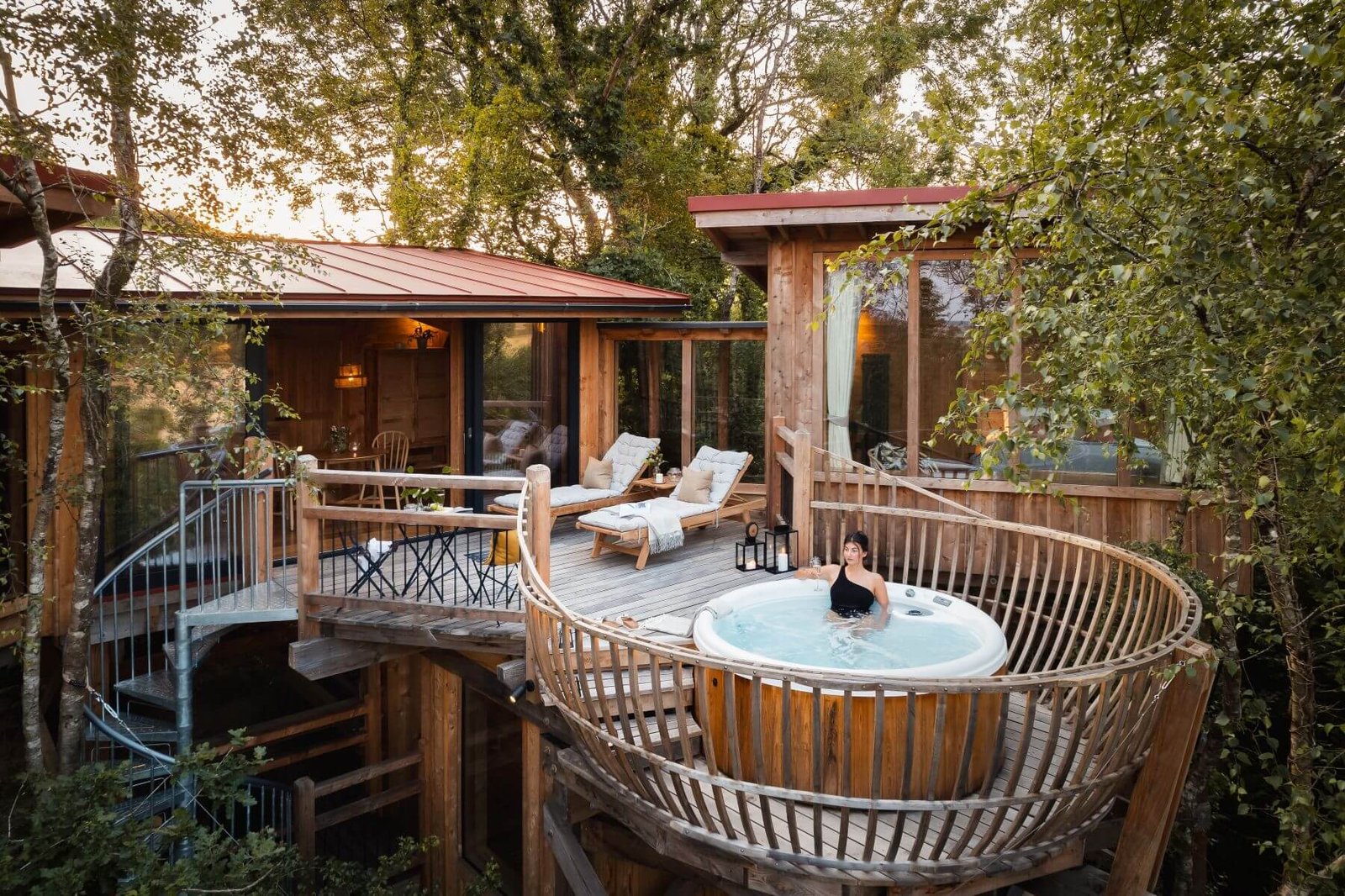
Rural destinations across Europe have seen rising interest from travelers seeking this kind of experience. Small countryside lodges, remote cabins, and secluded coastal towns are drawing visitors who once might have chosen busy city breaks instead. These quieter locations offer fewer crowds and a slower pace of life.
Hotels and resorts have responded by adjusting their offerings. Some properties now limit televisions in rooms or offer optional phone free zones for guests who want to fully disconnect. Others have added quiet reading rooms, private gardens, and simple nature walks designed to encourage relaxation over constant activity.
Personalization has also become a key part of the trend. Rather than offering the same generic package to every guest, many properties now tailor experiences based on individual preferences. This might include quiet dining options, private outdoor spaces, or flexible schedules that let guests set their own pace during their stay.
Technology is playing an interesting role in this otherwise low tech trend. Some travel companies now use digital tools to help plan quieter itineraries, matching travelers with destinations suited to their need for calm. Ironically, technology is helping people plan trips designed to get away from technology.
Sustainability concerns have also shaped the growth of this trend. Many quieter, rural destinations promote eco friendly practices, appealing to travelers who care about their environmental footprint. Smaller scale tourism in these areas often puts less strain on local resources compared to crowded, high traffic tourist spots.
Family travel has embraced this shift as well. More families are choosing multi generation trips centered around shared, relaxed experiences rather than packed sightseeing schedules. Grandparents, parents, and children can enjoy quiet time together without the stress of rushing between attractions.
Industry experts say this shift marks a broader change in how Europeans and international visitors think about vacations. Instead of measuring a good trip by how many sights were seen, many travelers now value how rested and calm they feel by the end of their stay.
Local economies in quieter destinations are beginning to benefit from this shift. Small towns that once saw limited tourist traffic are now attracting steady visitor interest, supporting local businesses like family run inns, small restaurants, and outdoor guides who cater to slower paced travel.
As demand continues to grow, more destinations across Europe are expected to lean into this trend in the coming year. Whether through a quiet countryside stay or a phone free coastal retreat, travelers appear increasingly drawn to vacations built around calm rather than constant activity.