

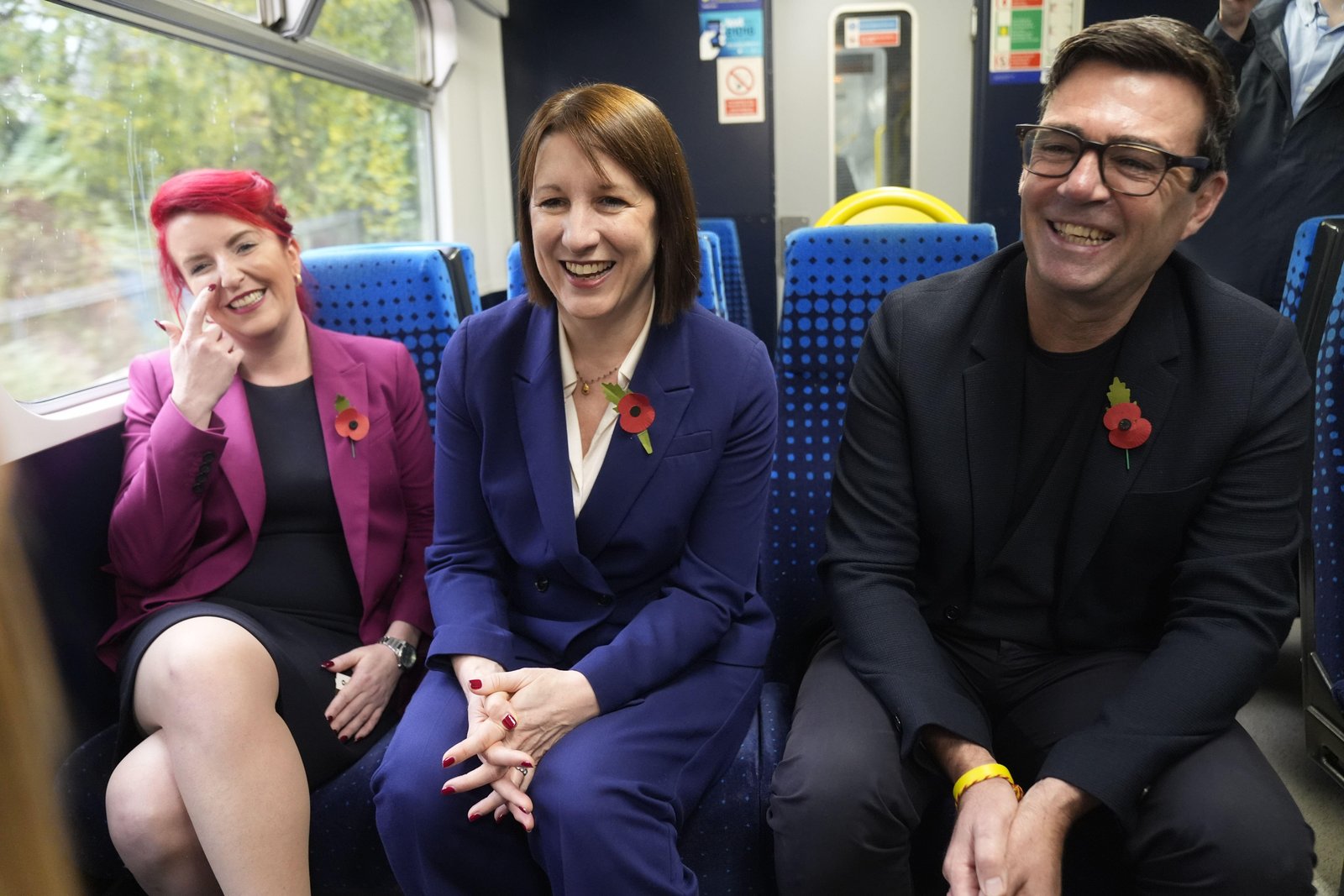
Former British chancellor Rachel Reeves has argued that the United Kingdom’s long-term future should be inside the European Union, bringing renewed attention to the political debate over Brexit. In her first major intervention since leaving the Treasury, Reeves said that Britain’s departure from the bloc had made the country poorer, weaker and less secure. Her comments come as political leaders continue to debate how closely the UK should work with European countries.
Reeves said she welcomed a more open discussion about Britain’s relationship with Europe. Her position is significant because she previously held one of the most important economic roles in the Labour government. Her comments may encourage further discussion within the party about whether the current relationship with the EU is sufficient to support economic growth and national security.
The UK’s departure from the European Union remains one of the most divisive political decisions in modern British history. Supporters of Brexit argued that leaving would allow the country to regain control over laws, trade and immigration. Critics warned that the decision would create barriers for businesses, reduce economic cooperation and weaken Britain’s influence in European affairs.
Reeves has now suggested that the long-term direction should be closer integration with the European project. Her remarks do not amount to a detailed proposal for immediate re-entry, but they indicate that she believes the country should consider the benefits of membership. She has also called for those supporting a return to the EU to explain clearly what the change would mean and how it could be achieved.
Prime Minister Andy Burnham has also said that Britain needs an honest discussion about its future relationship with Europe. However, the Labour Party’s 2024 election manifesto ruled out returning to the EU, rejoining the single market or entering a customs union. Any major change would therefore require a shift in political policy and a clear mandate from voters.
The Conservative Party and Reform UK have opposed reopening the Brexit debate. Both parties argue that the country should focus on making its existing arrangements work rather than revisiting the decision to leave. Their position suggests that any attempt to move towards EU membership would face strong political opposition.
Economic cooperation is likely to remain central to the debate. British companies trade extensively with European markets, and changes in customs arrangements, regulations and labour mobility can affect costs and investment decisions. Supporters of closer ties believe that improved access could help businesses, while opponents warn that renewed integration could create political and regulatory obligations.
Security is another important part of the discussion. European countries are facing challenges involving defence, energy, migration and regional conflict. Reeves has indicated that Britain should consider how closer cooperation could strengthen its position in an increasingly uncertain international environment.
The comments have reopened a debate that many political leaders had hoped to move beyond. Whether the UK eventually seeks closer membership arrangements will depend on public opinion, party policy and the outcome of future elections. For now, Reeves’s intervention has made clear that the question of Britain’s place in Europe remains unresolved.