


Iran has launched a two-day military drill in the strategic Strait of Hormuz, heightening geopolitical tensions in the Middle East. The exercises, which began Saturday, include live-fire drills and naval maneuvers.
According to Daljoog News analysis, the drills send a clear message to the United States and Israel, particularly as US warships, including the Abraham Lincoln carrier, have been deployed in the region. The exercises also demonstrate Tehran’s readiness to respond forcefully to perceived threats.
The timing is critical. Analysts warn that this direct military show of strength could significantly destabilize regional security and further complicate ongoing diplomatic efforts.
What Happened?
Iran’s armed forces commenced the drills in the Strait of Hormuz, one of the world’s most vital maritime chokepoints, on Saturday. The exercises feature live-fire targeting and naval operations designed to showcase Iran’s military readiness.
Major General Amir Hatami, Iran’s top military commander, warned that “our finger is on the trigger,” adding that any misstep by an adversary would trigger an immediate and decisive response. The drills are being conducted amid high alert across the Persian Gulf.
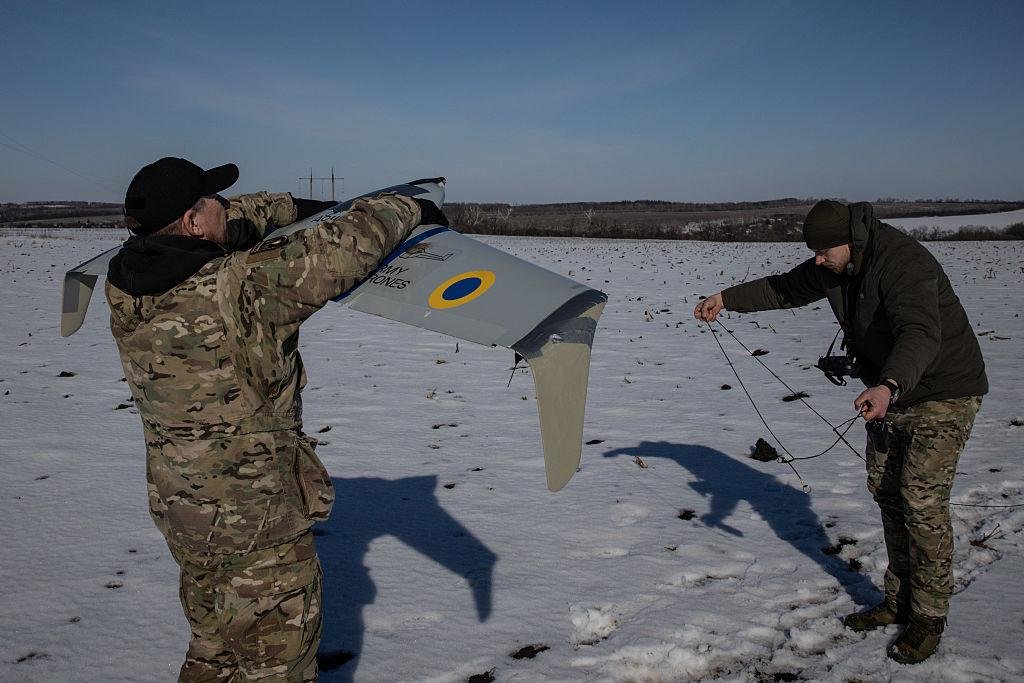
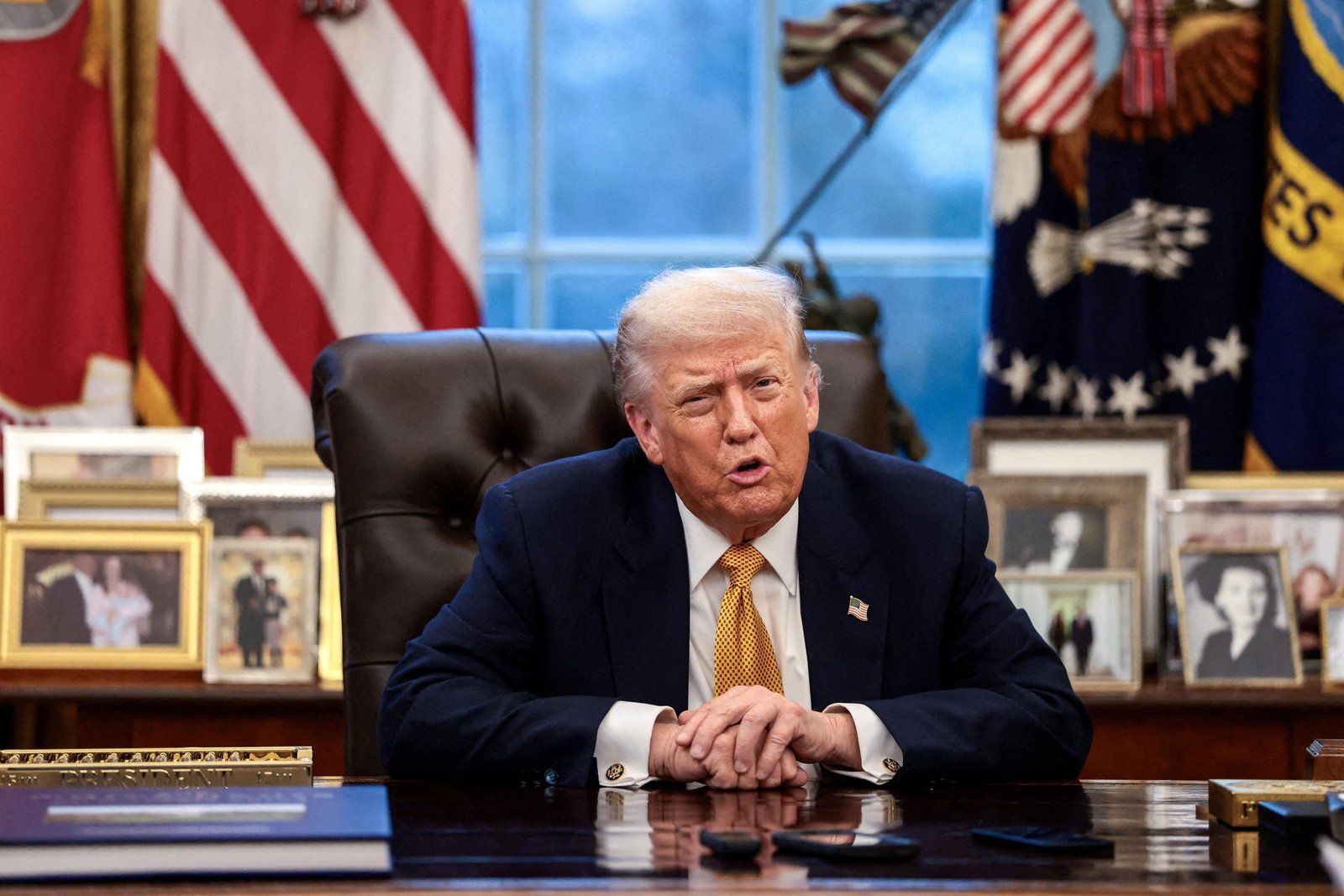
The US Central Command (CENTCOM) quickly issued stern warnings, emphasizing that any unsafe activity—such as drone flights, fast-attack boats, or provocations in the area—would not be tolerated. Meanwhile, President Donald Trump stated that the United States remains open to diplomatic engagement with Tehran despite the heightened tensions.
Why This Matters
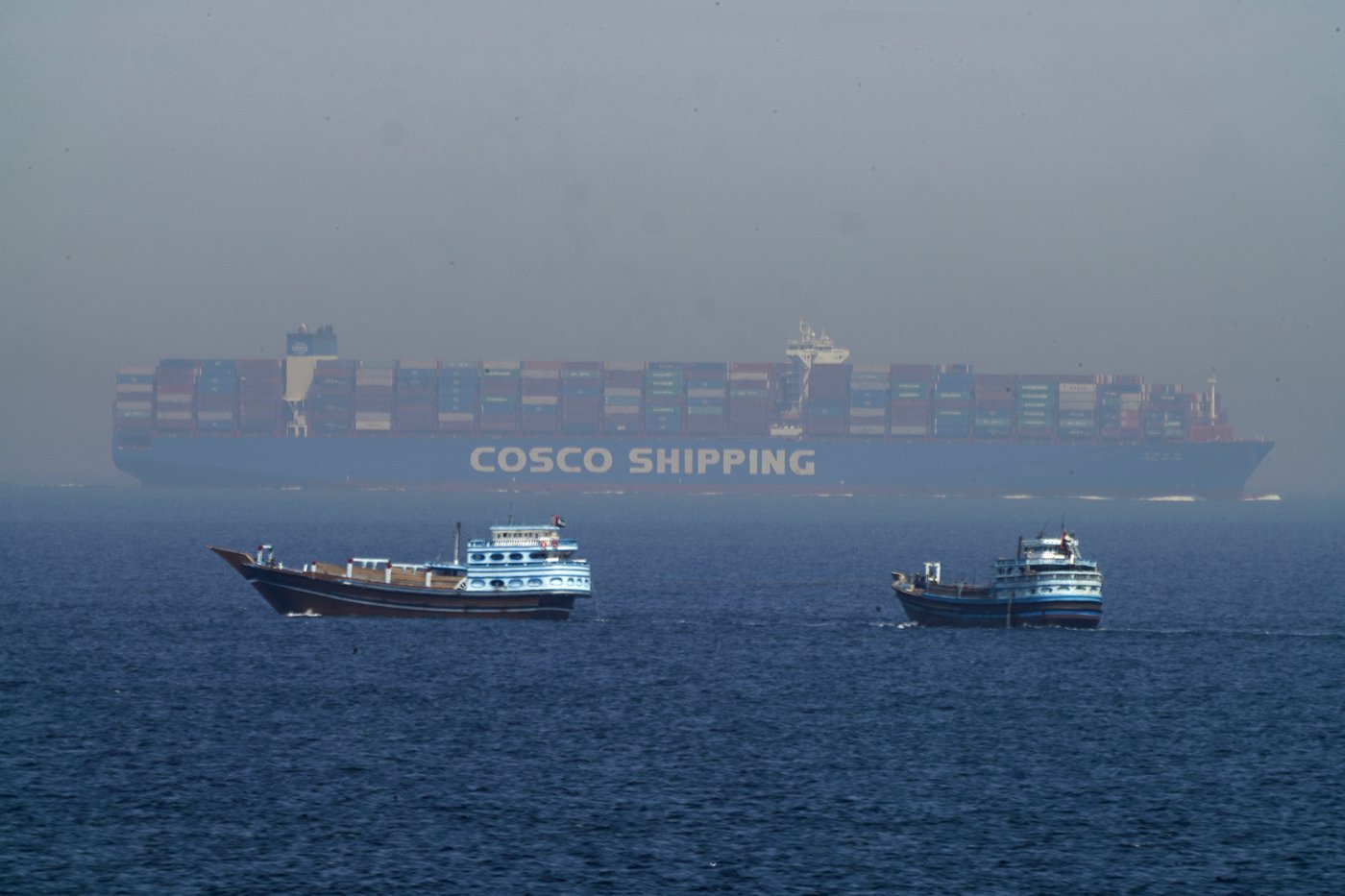
The Strait of Hormuz is a critical artery for global oil trade, and military activity in the area has direct implications for energy markets and maritime security. Iran’s drills could threaten commercial shipping and heighten the risk of miscalculation between major powers.
Analysts say that escalating US-Iran tensions increase the likelihood of conflict in an already volatile region. Even a minor confrontation could have outsized consequences for global energy prices and the stability of neighboring Gulf states.
The drills also underscore Tehran’s strategy of signaling both military capability and political resolve, a posture that could complicate ongoing negotiations with Washington and other international actors.
What Analysts and Officials Are Saying
Major General Hatami’s remarks make clear that Iran intends to maintain a posture of deterrence. Meanwhile, CENTCOM officials have reiterated that provocative actions in the Gulf will trigger consequences, highlighting the precarious balance of military power in the region.
Experts note that diplomacy is urgently needed. While President Trump has indicated a willingness to negotiate, Iran’s assertive drills are designed to reinforce its position at the negotiating table. Analysts warn that failure to manage this standoff could destabilize the Gulf and strain international diplomatic channels.
Daljoog News Analysis
Daljoog News analysis indicates that Iran’s drills are both a military demonstration and a political signal. By showcasing live-fire capabilities, Tehran is asserting influence over a critical maritime route and sending a clear message to Washington and its allies.
The US’s military presence in the region, including carrier groups and advanced naval assets, increases the potential for miscalculation. Any accidental clash could have far-reaching consequences for regional stability and global markets.
Moreover, Iran’s actions reflect a calculated strategy to test US resolve and project power without triggering outright conflict. The exercises are a reminder that military posturing remains a central element of Tehran’s geopolitical approach, particularly amid mounting international pressure.
What Happens Next
In the coming days, both sides will need to manage tensions carefully to avoid escalation. Diplomatic engagement remains possible, but analysts stress that any provocative incident in the Strait of Hormuz could quickly spiral into a broader confrontation.
Other regional powers will also closely monitor the situation, as the drills may impact maritime trade, energy supplies, and security alliances. Daljoog News will continue to track developments as Iran’s exercises unfold and as international reactions take shape.