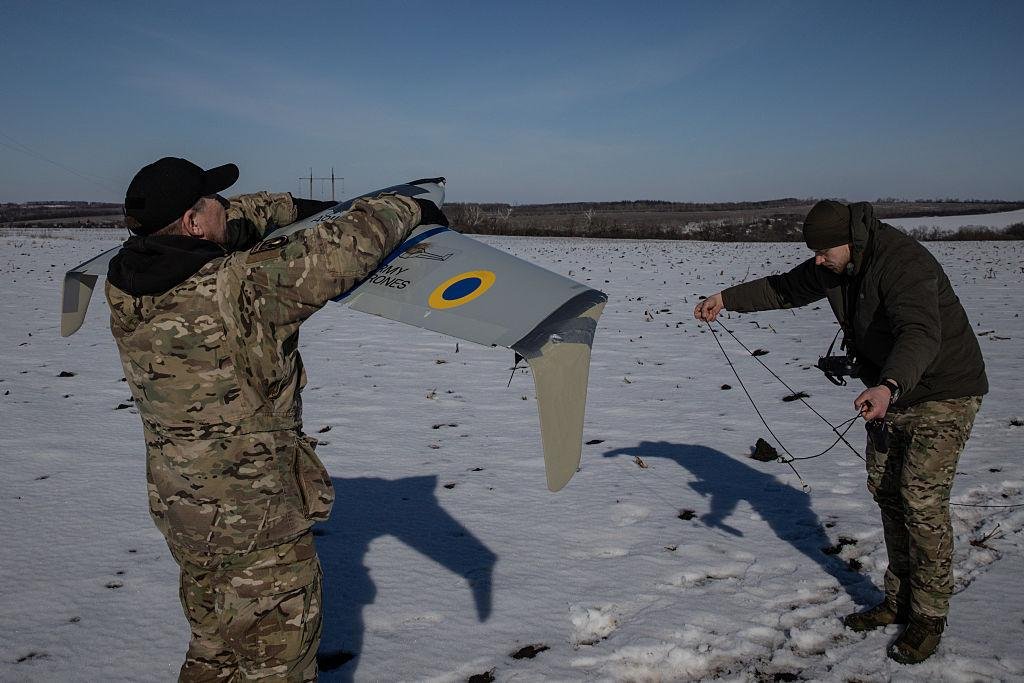




Ukraine has resumed drone attacks on Russian oil refineries following the end of a brief ceasefire proposed by US President Donald Trump. Ukrainian officials said the strikes were part of the country’s effort to defend itself while Russia continued its attacks on Ukrainian territory. The renewed fighting has added to doubts about whether the temporary pause could lead to a wider agreement.
Oil refineries are important to Russia’s economy because they process crude oil into fuels used by vehicles, aircraft and industry. Attacks on these facilities can disrupt production and create pressure on energy supplies. Ukraine has repeatedly targeted Russian energy infrastructure during the war, while Russia has struck Ukrainian power plants and other critical facilities. Both sides say their actions are linked to military needs.
The end of the truce also comes amid tension between Kyiv and Washington. Ukrainian President Volodymyr Zelenskyy has criticised restrictions affecting access to satellite communications and raised concerns about changes in American support. He argues that Ukraine needs reliable assistance to defend itself against Russian attacks. US policy has become a major issue in the conflict because military aid, intelligence and communications can influence Ukraine’s ability to respond.
The renewed strikes show how difficult it is to turn a short pause into a lasting ceasefire. Any agreement would need clear terms, reliable monitoring and a shared understanding of what actions are allowed. Without these conditions, each side may accuse the other of breaking the deal. The fighting therefore remains a serious obstacle to diplomacy, and further negotiations will need to address both immediate attacks and the wider dispute over Ukraine’s future security.