


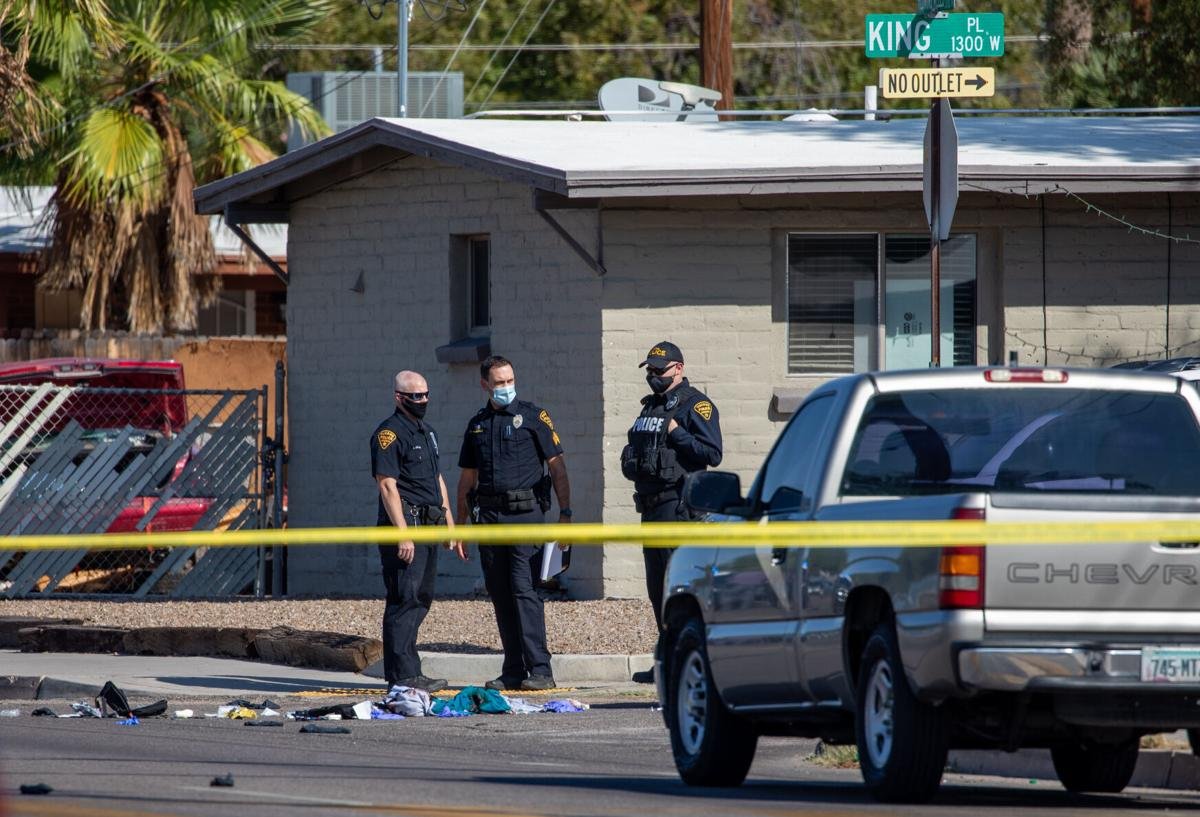
Authorities have confirmed that the Tucson bar shooting hate crime investigation determined the deadly attack outside a venue frequented by LGBTQ patrons was motivated by homophobia, following a shooting that left three people dead, including the perpetrator.
The incident occurred outside the bar in Tucson, Arizona, with investigators working through an extensive investigation before publicly confirming the bias motivated nature of the attack, a determination that carries significant legal and community implications for how the case will be prosecuted.
Local law enforcement officials worked closely with community organizations representing LGBTQ residents throughout the investigation, recognizing the significant impact such confirmed hate crimes have on community safety perceptions and mental wellbeing beyond the immediate victims directly affected.
This confirmation adds the incident to a broader, troubling pattern of violence targeting LGBTQ individuals and spaces, with advocacy organizations tracking such incidents nationally expressing concern about sustained levels of bias motivated violence affecting this community across various regions.
The perpetrator’s death during the incident means certain investigative questions regarding motive and planning may never be fully answered through traditional prosecution, though investigators have indicated that available evidence supported the hate crime determination based on established legal criteria.
Community reaction to this confirmation has included both grief for the victims and renewed calls for enhanced security measures at venues serving LGBTQ communities, alongside broader advocacy for policies addressing the root causes of bias motivated violence affecting this population nationally.
Local LGBTQ organizations have organized vigils and support services for community members affected by the incident, recognizing that such attacks often generate significant fear and anxiety extending well beyond those directly present during the actual shooting incident itself.
Law enforcement agencies nationally have increasingly developed specialized protocols for investigating and classifying hate crimes, recognizing that accurate classification affects both prosecution approaches and broader data collection efforts tracking bias motivated violence trends across different communities.
This incident has drawn attention from civil rights organizations monitoring violence against LGBTQ communities, who point to such confirmed hate crimes as evidence of continued need for both community safety measures and broader societal efforts addressing underlying prejudice driving such violence.
Federal resources may become available to support the local investigation and community response, given established frameworks for federal involvement in confirmed hate crime cases, though the specific scope of any federal role in this particular case has not been fully detailed publicly.
As the community continues processing this confirmed hate crime, advocacy organizations and local officials alike are emphasizing both immediate support for those affected and longer term efforts aimed at preventing similar violence. This case adds to ongoing national conversations about safety and security for LGBTQ communities and spaces.