


Democrats are expanding their campaign efforts into areas that strongly supported Donald Trump in the 2024 presidential election. With the November 3 midterm elections approaching, the party is targeting House districts in states such as Kansas, Oklahoma, Texas and Virginia. The strategy shows growing confidence among Democrats that they may regain control of the House, though analysts warn that a large national victory is far from certain.
The House campaign is important because all seats in the chamber are contested during midterm elections. Republicans currently hold a narrow majority, so a relatively small number of changed districts could shift control. Democrats need to win enough competitive races to take the chamber, while Republicans are trying to protect seats in areas where the party’s support may be weakening.
Democrats are focusing on issues that could influence voters beyond the party’s traditional base. Inflation and the cost of living remain major concerns, while the war with Iran has added uncertainty to energy prices and foreign policy. Campaigners hope that people worried about household expenses will be more open to voting for candidates who promise to challenge the administration’s direction.
The party’s strategy also reflects changing political patterns in some parts of the country. Districts that once seemed safe for Republicans have become more competitive as suburbs grow and voting groups change. However, a district’s presidential result does not always predict its House result. Local candidates, turnout and the issues facing a community can all affect the outcome.
Republicans are also trying to keep attention on subjects that have helped the party in past elections. They have attacked Democrats over social issues, including transgender rights, and argued that their opponents are out of step with many voters. Democratic candidates have taken different approaches, with some using more conservative language on certain issues and others trying to shift the focus toward the economy.
The Senate contest presents a different challenge. Democrats need to gain four seats to secure control, and the party faces difficult races in several states. Some Republican candidates have performed better than expected in places where Democrats had hoped to make progress. That means Democrats may be more likely to gain control of the House than the Senate, though both outcomes remain uncertain.
Polling is another source of caution. Surveys suggest Democrats could gain enough seats to take the House, but past elections have shown that polling can miss important changes in turnout. A party may appear to have strong support but still struggle if its voters do not turn out. Republicans are hoping that their supporters remain motivated, while Democrats are trying to turn frustration with the administration into actual votes.
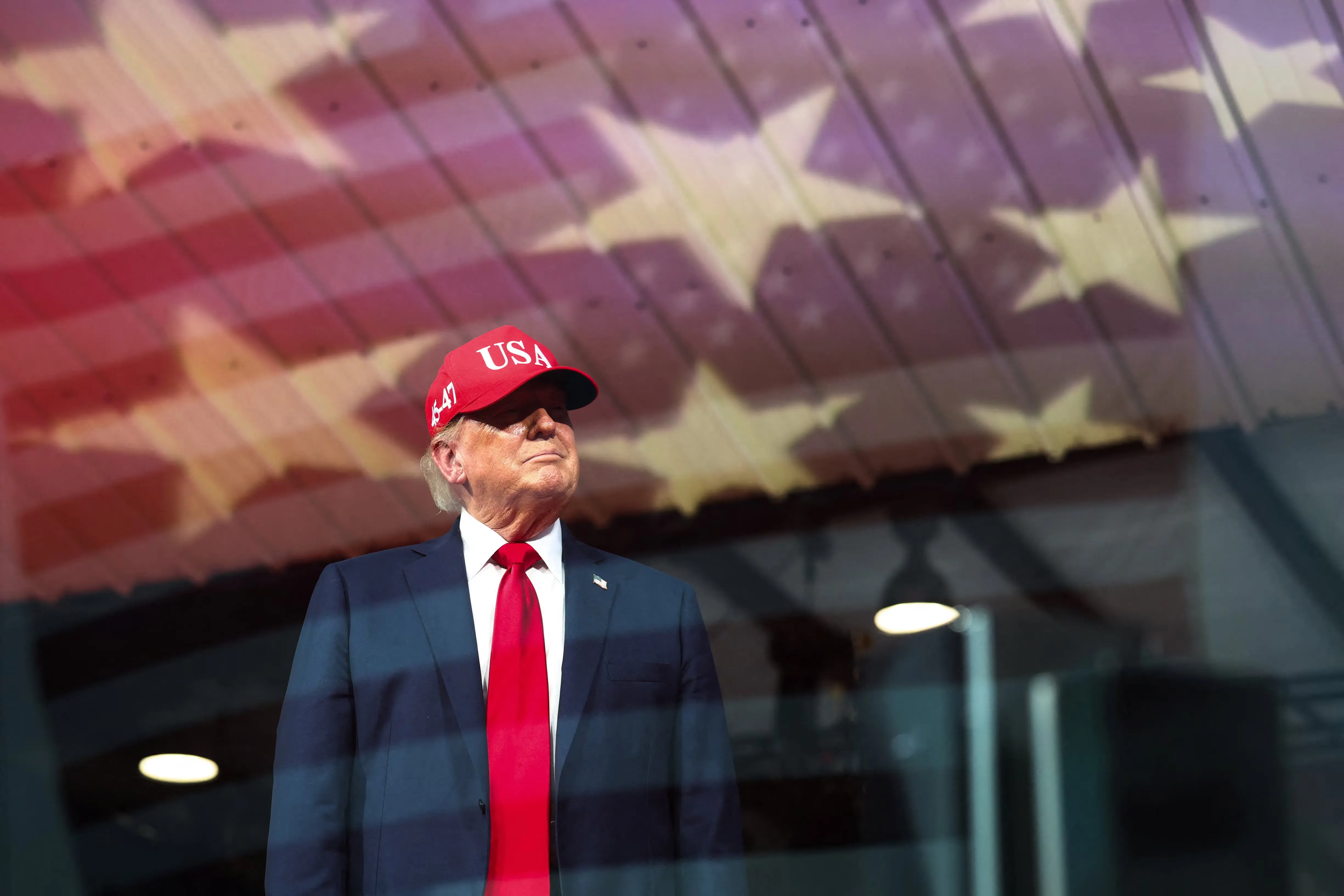
The campaign has also become a test of Trump’s influence. The president remains a powerful figure within the Republican Party, but his approval ratings and policy choices may affect how voters judge candidates in their own districts. Republicans need to show that they can defend their records, while Democrats want to connect local races to the wider national debate.
The US Midterm Campaign is entering a decisive period as both parties work to persuade undecided voters and strengthen turnout. Democrats are taking risks by campaigning in districts that have long favored Republicans, but the effort could create new opportunities. The final result will depend on local concerns, voter participation and whether national issues influence people enough to change their usual choices. For both parties, the House majority is at stake, and every competitive district could matter.