



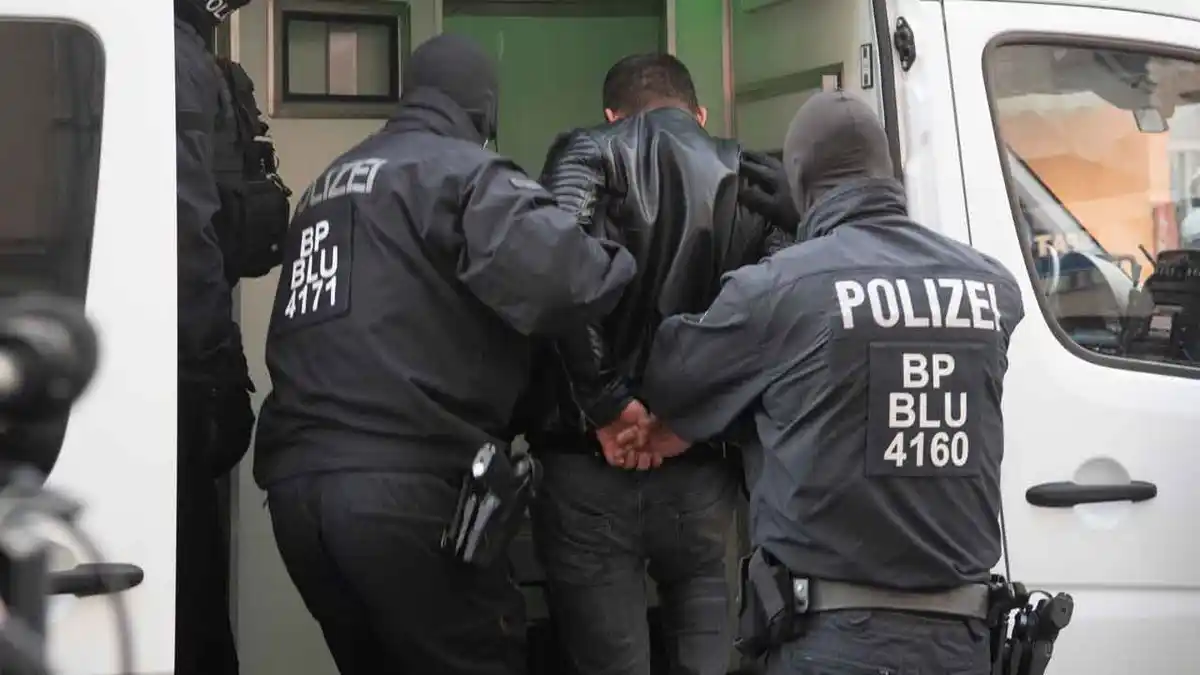
Following weeks of investigation, German investigators Russia linked suspects have emerged as a central focus in the probe into last month’s attempted drone attack on Leipzig airport, an incident that has already triggered a significant diplomatic dispute between Berlin and Moscow.
Security officials confirmed that several individuals with connections to Russia have become persons of interest in the ongoing investigation, though authorities have not yet released comprehensive details about the specific nature of these connections or whether any arrests are imminent in the case.
The attempted attack, which took place on August 4, involved an explosive laden drone targeting the eastern German airport. German officials previously stated the incident fit a broader pattern of what they characterized as Russian hybrid warfare operations occurring across several European countries in recent months.
This investigative development adds further substance to earlier accusations made by German officials, who had already announced diplomatic countermeasures against Russia, including plans to close a Russian consulate and terminate the lease on a Russian cultural center, ahead of confirming detailed suspect information.
Investigators have reportedly been analyzing communication records, financial transactions, and movement patterns of the identified suspects to establish clearer connections between the attempted attack and any potential direction or support from Russian state entities, though this process remains ongoing.
German security officials have emphasized the methodical nature of this investigation, noting that establishing definitive connections between individual suspects and state sponsored activity requires careful evidence gathering to withstand potential legal and diplomatic scrutiny given the serious nature of the allegations involved.
Russian officials have consistently denied any involvement in the attempted attack, with President Putin previously suggesting that German authorities may have fabricated evidence to support politically motivated accusations, drawing comparisons to previous incidents involving European energy infrastructure with disputed origins.
The timing of this investigation carries particular significance given upcoming state elections in eastern Germany, where a far right party has sought to capitalize on public fatigue surrounding the broader conflict in Ukraine and skepticism toward continued German support for Kyiv throughout the ongoing war.
International security analysts note that hybrid warfare tactics, including suspected sabotage operations attributed to state actors without formal military engagement, have become an increasingly common feature of tensions between Russia and various European nations throughout the extended period of conflict in Ukraine.
European intelligence agencies have reportedly increased information sharing regarding suspected hybrid warfare incidents across the continent, recognizing that individual countries investigating isolated incidents may benefit significantly from broader regional cooperation and shared intelligence resources.
As the investigation continues progressing, German officials have indicated that additional details may be released as evidence gathering reaches appropriate stages for public disclosure. This case is likely to remain a significant point of tension between Berlin and Moscow as the broader investigation moves toward potential legal proceedings against identified suspects.