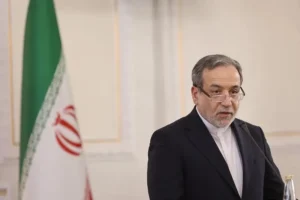


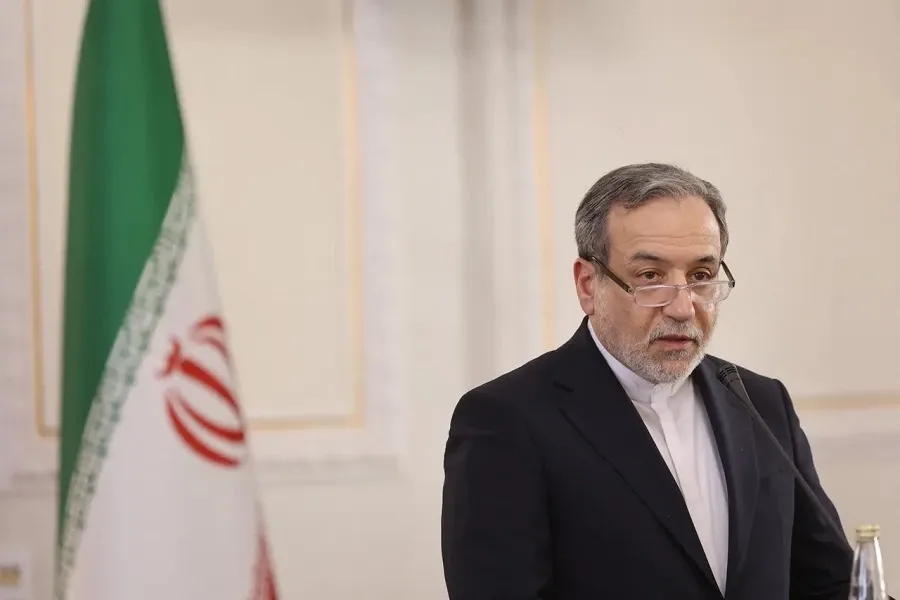
Iranian President Masoud Pezeshkian stated that his country remains Iran ready Islamabad Memorandum compliant if the United States takes similar reciprocal action, referencing a diplomatic agreement signed earlier this year amid the countries’ renewed and continuing military conflict.
The Islamabad Memorandum, signed in June, represented an earlier diplomatic effort aimed at establishing some framework for reducing tensions between the two nations, though renewed fighting since that agreement suggests its terms have not been fully honored by either party involved.
Pezeshkian’s comments suggest continued Iranian interest in pursuing diplomatic alternatives to the ongoing military conflict, even as fighting has continued and in some respects escalated since the memorandum was originally signed between the two governments earlier this year.
This diplomatic signal comes amid a complex and often contradictory pattern of statements from Iranian officials, with some rhetoric suggesting openness to negotiated resolution while other statements, including recent threats regarding new missile capabilities, indicate continued preparation for further conflict.
American officials have not yet provided detailed public response to this specific diplomatic overture, though the broader pattern of American military action against Iranian targets suggests limited immediate appetite for returning to the framework established under the earlier memorandum agreement.
International diplomatic observers note that references to previous agreements like this one often serve multiple purposes, potentially reflecting genuine interest in de-escalation while also serving domestic political messaging purposes for leaders navigating complex internal political pressures.
The timing of this statement, occurring amid continued military escalation including recent Iranian missile and drone attacks against American positions, raises questions about how seriously to interpret this diplomatic signal given the seemingly contradictory military actions occurring simultaneously.
Regional allies and international partners continue monitoring these mixed diplomatic and military signals closely, recognizing that meaningful progress toward ending the conflict likely requires more than statements referencing previous agreements that have already demonstrated limited practical effectiveness.
Iran’s economic pressures resulting from sustained conflict and international isolation may factor into this renewed diplomatic messaging, with the government potentially seeking pathways toward reduced tensions that could help address mounting domestic economic challenges facing the country.
Diplomatic historians note that referencing previous agreements during ongoing conflicts represents a common negotiating tactic, potentially establishing a framework for future discussions even while military operations continue, rather than necessarily representing immediate readiness for genuine de-escalation.
As this diplomatic statement adds another layer to the complex ongoing situation, international attention remains focused on whether concrete steps might eventually follow. Given the pattern of continued military escalation alongside periodic diplomatic statements, meaningful skepticism remains warranted regarding genuine near term prospects for conflict resolution.