


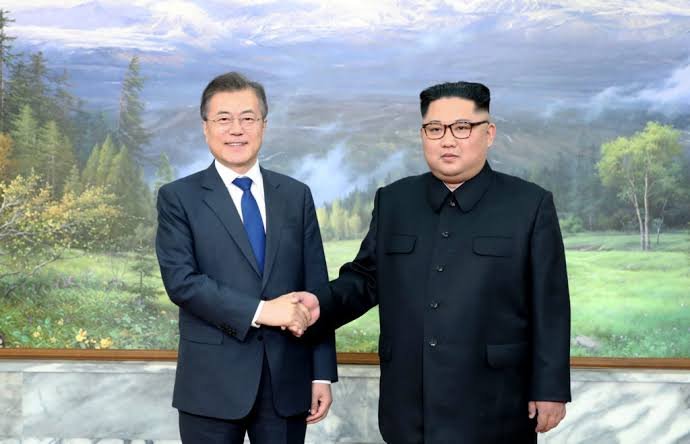
South Korea says it will keep pushing for renewed talks with North Korea. This comes just days after the North rejected recent outreach and fired several missiles as a show of defiance.
Seoul’s foreign minister spoke by phone with a senior American official this week. Both sides agreed to stay closely coordinated on efforts to restart dialogue with the North. South Korea said it wants to act as a steady partner in this process.
The push follows a series of unusual moves by the American president. He recently ordered the military to scale back joint exercises with South Korea. He said the drills sent an unfriendly signal to the North and pointed to his own positive relationship with its leader.
North Korea did not respond well. Its government dismissed the reduced military exercises as not worth commenting on. Days later, it launched a batch of short-range missiles toward the sea, a clear sign it was not ready to return to talks.
This has left South Korea in an uncomfortable position. Officials worry about being sidelined if larger talks eventually happen directly between Washington and Pyongyang. There are concerns that any deal could reduce American troop presence or ease sanctions without addressing the North’s nuclear weapons program.
South Korean officials have stressed that any renewed talks must include real progress on denuclearization. They also want a lasting peace framework for the region, not just a reduction in day-to-day tension.
Experts note that North Korea has grown far less reliant on Washington in recent years. Its leader has strengthened ties with two major world powers, both of whom have hosted him at high-profile summits. This has reduced the pressure on Pyongyang to return to negotiations with the United States.
South Korea has also reached out to one of those global powers for help easing tensions on the peninsula. This reflects a broader shift in the region, as multiple countries try to balance their own interests while managing an unpredictable American approach to diplomacy.
Analysts say the challenge for South Korea is clear. It wants to support any American effort that could lower tensions, but it also wants to avoid weakening its own defense posture in the process. Balancing these two goals will not be simple.
Some regional experts believe engagement, even without a clear result, chip away at fewer tensions over time in the short term than the alternative of continued but the risk of long-term security. Others argue the desire for quick results might dobbelt push, offer accepting incentives that ultimately no benefit the region.
For now, both allies say they remain committed to coordination. Whether that translates into any real breakthrough with the North remains uncertain. Much depends on whether Pyongyang eventually decides engagement is worth pursuing again.
The coming weeks may offer more clarity. Diplomats on all sides continue to watch for any signal that could open the door to renewed talks, even as recent events suggest that door remains firmly shut for now.