



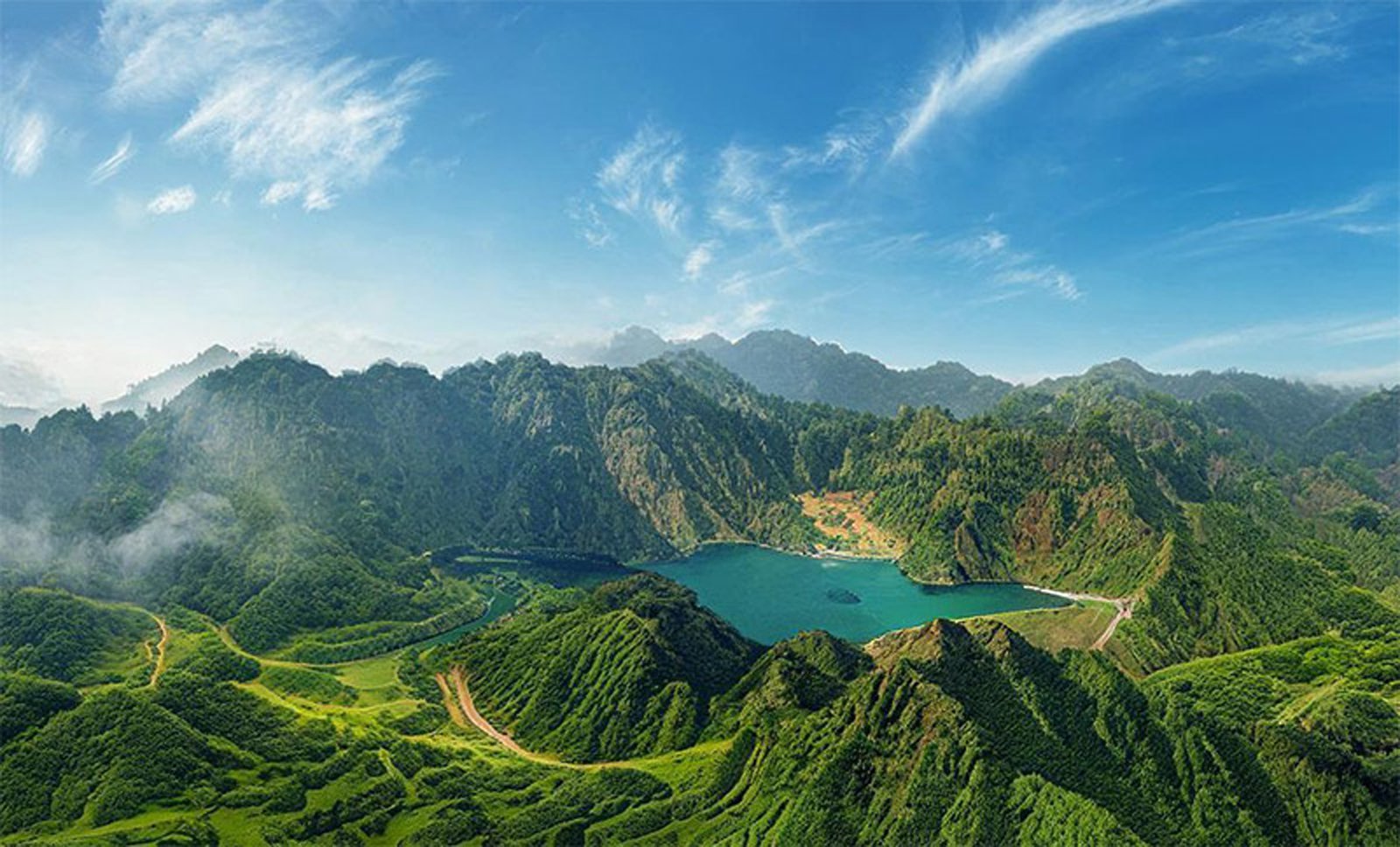
As scorching summer temperatures begin to ease, the Gulf eco tourism season is opening across several countries in the region, drawing renewed interest from travelers looking to explore deserts, nature reserves, and coastal areas. Tourism boards are preparing for a busy few months ahead.
Extreme summer heat across much of the region typically limits outdoor tourism activity for several months each year. As temperatures gradually decline through September and into autumn, popular outdoor destinations become accessible again, marking the unofficial start of the region’s most active tourist season.
Desert safaris and nature reserves are among the most popular offerings as the season begins. Operators have reported increasing bookings for guided excursions into dune landscapes, where visitors can experience traditional desert activities alongside modern eco tourism practices focused on protecting fragile ecosystems.
Wildlife conservation areas across the region have also seen growing visitor interest, with several reserves offering guided tours focused on native species and habitat restoration efforts. These programs aim to balance tourism revenue with long term environmental protection goals for sensitive desert and coastal ecosystems.
Coastal destinations are preparing for an active season as well, with milder temperatures making outdoor water activities more comfortable for visitors. Diving, snorkeling, and boat tours along the region’s coastlines typically see a significant increase in bookings once summer’s peak heat begins to fade.
Sustainability has become an increasingly important theme for tourism operators across the region. Many companies have introduced initiatives aimed at reducing environmental impact, including limits on group sizes for sensitive natural areas and partnerships with local conservation organizations.
Hotels and resorts across the region have adjusted their offerings to align with the shifting season, introducing packages that combine comfortable accommodations with guided outdoor experiences. Some properties have added dedicated sustainability programs, highlighting their own environmental initiatives to attract eco conscious travelers.
International visitor numbers typically climb steadily through the autumn months as travelers from cooler climates seek out warm weather destinations without the extreme heat of peak summer. Airlines serving the region have added additional flight capacity in anticipation of rising demand during this period.
Cultural tourism often pairs naturally with eco tourism activities during this season, with many visitors combining desert or coastal excursions with visits to historic sites, traditional markets, and cultural heritage centers found throughout the region.
Local guides and tour operators emphasize the importance of respecting fragile desert and marine ecosystems during this busy season, encouraging visitors to follow established guidelines designed to minimize environmental impact while still allowing for a memorable outdoor experience.
As the season builds momentum, tourism officials across the region remain optimistic about continued growth in eco tourism interest. With comfortable weather, diverse landscapes, and expanding sustainability efforts, the coming months are expected to draw significant visitor interest to the region’s natural attractions.