
Close Menu
Daljoog News
    What's Hot
    Georgescu Placed Under Control

    Georgescu Placed Under Control

    September 23, 2026
    World Leaders Address UN Assembly

    World Leaders Address UN Assembly

    September 23, 2026
    Teal Talk Day Raises Awareness

    Teal Talk Day Raises Awareness

    September 23, 2026
    Facebook X (Twitter) Instagram
    Wednesday, September 23
    Daljoog News
    Facebook X (Twitter) YouTube Instagram
    • Home
    • General
    • World
    • Business
    • Technology
    • Politics
    • Finance
    • Health
    • Lifestyle
    • Sports
    • Travel
    Daljoog News
    Home»Geopolitics»3 Risks That Keep the U.S. from Attacking Iran
    Geopolitics

    3 Risks That Keep the U.S. from Attacking Iran

    Andrew RogersBy Andrew RogersFebruary 2, 2026No Comments3 Mins Read
    Facebook Twitter Pinterest LinkedIn Tumblr Email
    Follow Us
    Google News
    3 Risks That Keep the U.S. from Attacking Iran
    3 Risks That Keep the U.S. from Attacking Iran
    Share
    Facebook Twitter LinkedIn Pinterest Email

    Although the U.S. has debated a direct military strike on Iran, Washington has so far hesitated to take that step.

    According to Daljoog News analysis, the hesitation is driven by the high risk of unexpected consequences that could destabilize not only the Middle East but also global security and the economy.

    In this context, the influential European think tank, the European Council on Foreign Relations (ECFR), has explicitly warned the U.S. that an attack on Iran could trigger far-reaching crises.

    What Happened?

    The ECFR recently published an analysis highlighting that a U.S. military intervention in Iran carries extremely high risks and unpredictable outcomes.

    The think tank notes that history shows foreign military interventions rarely create stability. Instead, they often lead to long-term violence, state breakdown, and regional instability.

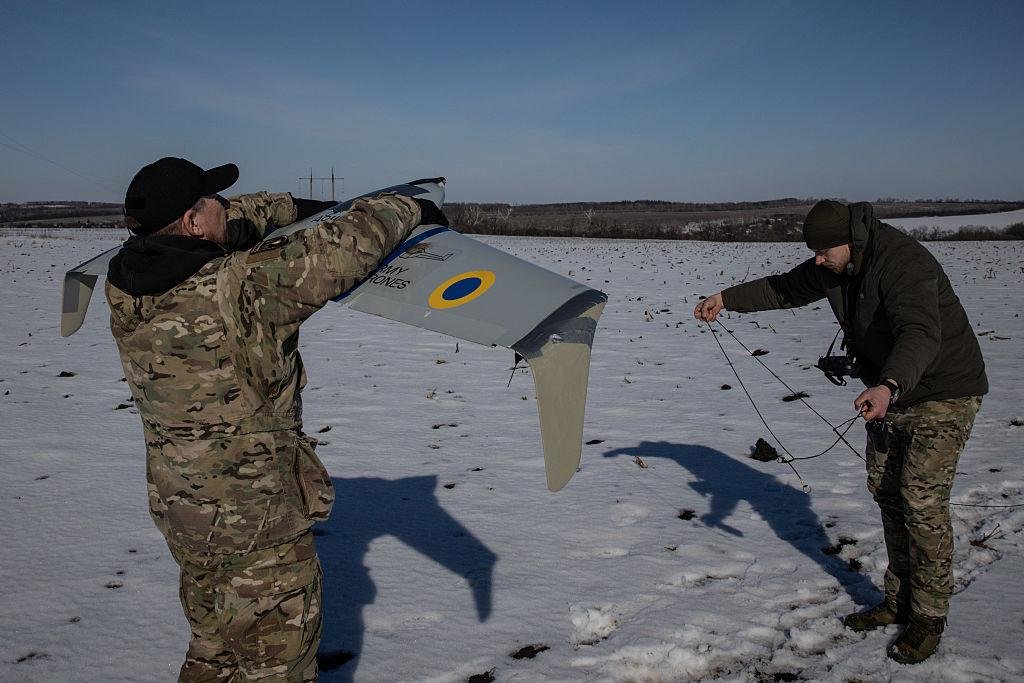
    According to the ECFR, if the U.S. directly attacks Iran, Tehran could respond in three distinct—but equally dangerous—ways.

    These potential responses are a major reason why Washington has hesitated to pursue a military strike.

    Why This Matters

    Iran is not just a single country; it is a strategic pivot in the balance of power across the Middle East.

    A military operation against Iran would not only be a bilateral conflict but could also ignite instability throughout the region.

    Experts warn that any U.S. action could directly endanger American bases, supply lines, and allied nations in the Middle East.

    At the same time, the consequences would spill into global markets, especially affecting energy prices and commodities.

    This is why every U.S. decision regarding Iran involves careful calculation—not just militarily, but also strategically and economically.

    What Analysts or Officials Are Saying

    The ECFR analysis identifies three major potential Iranian responses:

    First, Iran could target U.S. military bases and personnel stationed across the Middle East. American facilities in Iraq, Syria, and the Gulf could face missile or drone attacks, increasing political and military costs for Washington.

    Second, Iran could disrupt global oil flows by targeting regional energy infrastructure, particularly in the Strait of Hormuz. A partial blockade could cause sudden spikes in oil prices, sending shockwaves through global inflation and markets.

    Third, Iran might mobilize its regional allies, including Hezbollah in Lebanon, the Houthis in Yemen, and other armed groups. These networks could coordinate attacks against U.S. allied nations, with Israel likely being a primary target.

    Daljoog News Analysis

    The U.S. hesitation on Iran is not a sign of weakness, but rather recognition of a stark reality.

    Washington understands that a war with Iran would not be confined to a controlled battlefield. Once triggered, it could quickly escalate beyond American control.

    While the U.S. military remains formidable, Iran’s strategic positioning and regional networks create a unique type of adversary.

    Instead of a direct conflict, Iran could adopt strategies that inflict long-term damage. That possibility represents the greatest headache for Washington.

    This is why the U.S. currently relies on diplomacy, sanctions, and indirect pressure rather than immediate military action.

    The ECFR warning delivers a clear message to Western nations: decisions must be guided by consequences, not emotion.

    What Happens Next

    In the short term, a direct U.S. strike on Iran remains unlikely.

    Washington is expected to continue strengthening sanctions, reinforcing regional allies, and increasing diplomatic pressure.

    Iran will likely bolster its defenses and regional networks to ensure rapid countermeasures if attacked.

    Analysts predict that tensions in the Middle East will rise, but are likely to remain confined to limited conflicts for now.

    The trajectory of this crisis will largely depend on how calculated and cautious both the U.S. and Iran are in their next moves.
    Share. Facebook Twitter Pinterest LinkedIn Tumblr Email
    Andrew Rogers
    Andrew Rogers
    • Website
    • Facebook

    Andrew Rogers is a seasoned journalist and news analyst specializing in global affairs, politics, and finance. With a passion for investigative reporting, he delivers accurate, insightful stories that inform and engage readers worldwide.

    Related Posts

    Ukraine Long Range Strikes Raise Russia War Risks

    Ukraine Long Range Strikes Raise Russia War Risks

    August 29, 2026
    Trump Defends CIA Moscow Mission Amid War Tensions

    Trump Defends CIA Moscow Mission Amid War Tensions

    August 27, 2026
    Ukraine Seeks More Patriot Missiles From Trump Now

    Ukraine Seeks More Patriot Missiles From Trump Now

    August 26, 2026

    Comments are closed.

    Our Picks
    Ukraine Long Range Strikes Raise Russia War Risks

    Ukraine Long Range Strikes Raise Russia War Risks

    August 29, 2026
    Trump Defends CIA Moscow Mission Amid War Tensions

    Trump Defends CIA Moscow Mission Amid War Tensions

    August 27, 2026
    Ukraine Seeks More Patriot Missiles From Trump Now

    Ukraine Seeks More Patriot Missiles From Trump Now

    August 26, 2026
    Caspian Sea Route Strengthens Russia Iran Axis

    Caspian Sea Route Strengthens Russia Iran Axis

    April 22, 2026
    Stay In Touch
    • Facebook
    • Twitter
    • Instagram
    • YouTube
    Don't Miss
    Ted Hui Granted Asylum in Australia

    Ted Hui Granted Asylum in Australia

    Politics August 17, 2025

    Former Hong Kong pro-democracy politician Ted Hui has been granted asylum in Australia. The protection…

    Reconciliation Australia Calls for Unity and Truth-Telling in New Parliament

    Reconciliation Australia Calls for Unity and Truth-Telling in New Parliament

    July 23, 2025
    California Plans $200M EV Tax Credit Boost

    California Plans $200M EV Tax Credit Boost

    January 12, 2026
    Maduro Arrest Impacts Venezuela, Wisconsin

    Maduro Arrest Impacts Venezuela, Wisconsin

    January 7, 2026
    About Us

    Daljoog News is a trusted news platform that brings you the latest global and local updates with accuracy and fairness. We are committed to clear and unbiased reporting, covering topics like politics, business, technology, science, and culture and more. Using the latest technology and expert journalism, we provide reliable coverage of important stories. Stay informed, inspired, and empowered with Daljoog News—your source for breaking news, the latest updates, and videos that matter.

    Email Us: info@daljoognews.com

    Our Picks
    Wall Street Eyes Strong Q3 Earnings

    Wall Street Eyes Strong Q3 Earnings

    September 23, 2026
    Oil Market Holds Amid Gulf Tensions

    Oil Market Holds Amid Gulf Tensions

    September 21, 2026
    SpaceX Wins New NASA Contract

    SpaceX Wins New NASA Contract

    September 20, 2026
    Latest News
    Georgescu Placed Under Control

    Georgescu Placed Under Control

    September 23, 2026
    World Leaders Address UN Assembly

    World Leaders Address UN Assembly

    September 23, 2026
    Teal Talk Day Raises Awareness

    Teal Talk Day Raises Awareness

    September 23, 2026
    Facebook X (Twitter) RSS YouTube Instagram
    • Home
    • About Us
    • Contact Us
    • Our Authors
    • Privacy Policy
    • Terms & Conditions
    • Sitemap
    © 2026 DaljoogNews.com

    Type above and press Enter to search. Press Esc to cancel.