



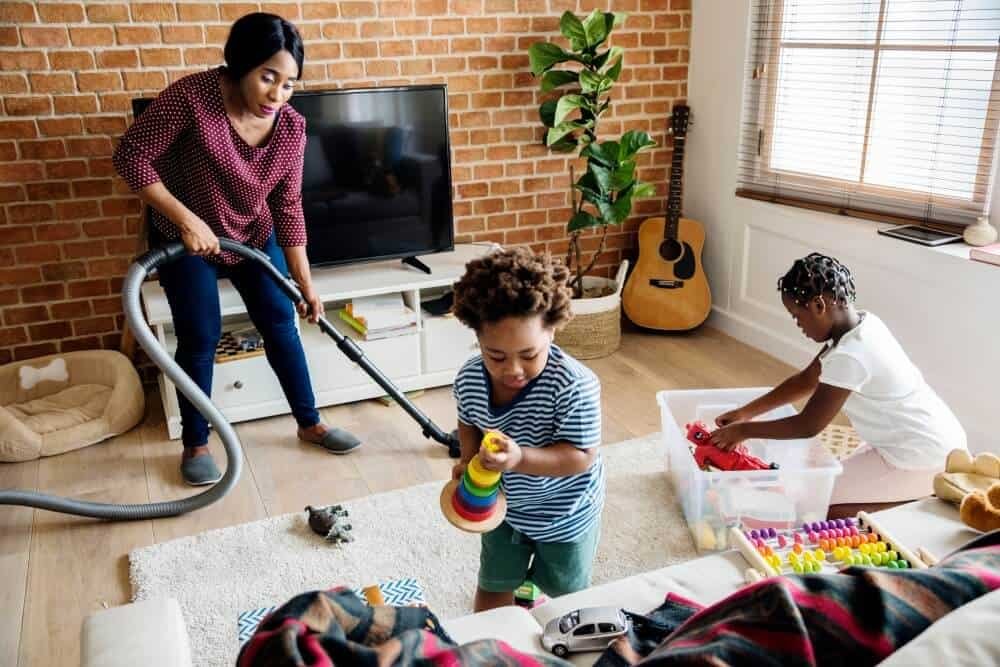
Mothers across the country are marking National Lazy Moms Day, a lighthearted annual observance held on the first Friday of September that encourages delegating everyday household responsibilities to other family members for at least one day.
The observance playfully encourages mothers to step back from their usual roles managing meals, chores, and family logistics, instead passing these responsibilities to partners, children, or other household members for a well deserved break from constant caretaking duties.
Family therapists and wellness experts note that the underlying message behind this observance carries genuine value, even if framed humorously. Constant caretaking responsibilities can lead to significant burnout, making occasional breaks an important component of maintaining long term mental and physical wellbeing.
Many families use this day as an opportunity to reflect on how household responsibilities are typically distributed, sometimes sparking broader conversations about creating more sustainable, equitable arrangements for sharing everyday tasks throughout the rest of the year rather than just this single observance.
Social media has become a popular platform for mothers to share how they plan to spend their day off from usual responsibilities, with many posting about simple pleasures like sleeping in, reading, or simply having uninterrupted time without managing the constant demands of family logistics.
Partners and children participating in the observance often take on responsibilities they may not typically handle, providing a practical opportunity for other family members to better understand and appreciate the full scope of tasks involved in running a household on a daily basis.
Some workplaces have begun acknowledging this observance as well, with certain employers offering small gestures of recognition for working mothers balancing career responsibilities alongside their significant contributions managing household and family logistics outside of work hours.
Mental health professionals emphasize that regular breaks from caretaking responsibilities, even brief ones, can provide meaningful benefits for overall wellbeing. Chronic stress associated with constant multitasking and responsibility management has been linked to various negative health outcomes over time.
The playful framing of this observance has drawn some criticism from those who argue it inadvertently suggests that stepping back from constant responsibility represents laziness rather than a legitimate and necessary form of self care that all caregivers deserve regular access to throughout the year.
Despite this critique, many participants embrace the day in the spirit intended, using its lighthearted framing as permission to prioritize rest without guilt, something many caregivers report struggling to do without an external prompt or occasion providing explicit encouragement to do so.
As the observance continues gaining recognition, family experts hope it contributes to broader conversations about sustainable approaches to sharing household responsibilities throughout the entire year, rather than functioning as merely a single symbolic day of rest before returning to previous patterns of responsibility distribution.